
Sparaxis bulbifera
Sparaxis bulbifera
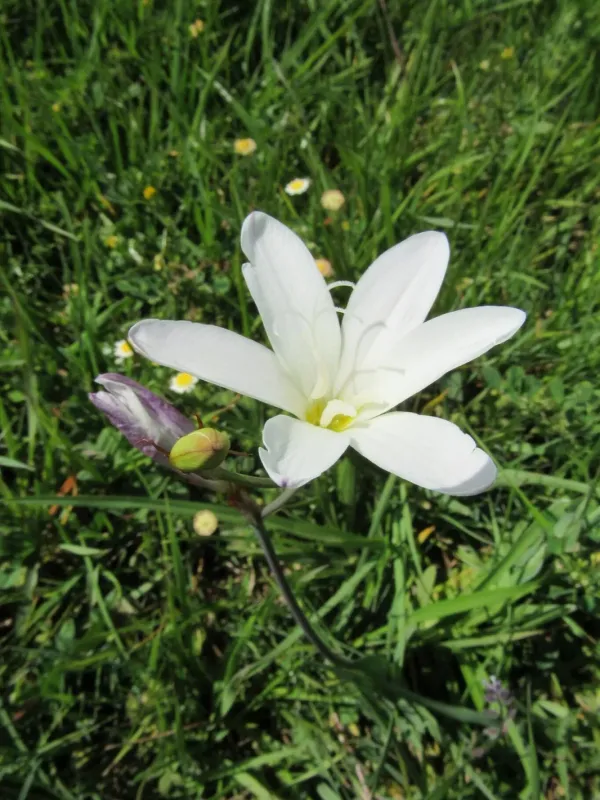
Description
Sowing dates
Sparaxis bulbifera is a perennial bulbous plant belonging to the Iridaceae family. In temperate climates, planting is typically carried out in spring once the soil temperature consistently reaches +10–12 degrees Celsius.
For regions with mild winters, autumn planting is possible to ensure early spring flowering. The planting depth should generally be between 5 and 8 centimeters, adjusted according to the soil structure and drainage capacity.
Seed propagation is also common, requiring cold stratification to improve germination rates. Seeds are sown in well-drained, nutrient-rich potting mix in late winter to establish robust seedlings before the growing season.
A unique characteristic of this species is its ability to produce secondary cormlets on the flowering stalks, which allows for efficient vegetative multiplication in both commercial and home settings.
When planting, it is crucial to maintain adequate spacing to ensure good air circulation, which helps prevent the development of moisture-related diseases during the intensive growth period.
Growing requirements
This crop is highly light-demanding and thrives best in full sun exposure. Shaded environments negatively impact the plant’s vigor, leading to leggy growth and significantly reduced floral displays.
Well-draining, sandy-loam soils are ideal for cultivation. If the soil is heavy or prone to waterlogging, it is essential to incorporate coarse sand or gravel to prevent the corms from rotting.
The moisture level must be managed carefully. While the plants require regular watering during active growth, they are highly sensitive to soggy conditions, especially during their dormancy phase.
Moderate temperatures are preferred for optimal metabolic activity. While the plant can tolerate a variety of conditions, it avoids extreme heat waves, which may necessitate light mulching to keep the soil cool.
Nutrient management involves applying balanced fertilizers during the initial stage of vegetative growth. Excessive nitrogen application should be avoided as it may weaken the plant's structural integrity.
Main diseases and pests
Fungal diseases, including botrytis and fusarium wilt, represent the most significant threat, particularly in poorly drained or overly humid environments. Proper soil preparation is the primary prevention method.
Thrips and spider mites are the most common pests that affect the foliage. They can be controlled through regular inspection and the timely application of approved systemic insecticides or miticides.
Nematodes may pose a risk to the root system, emphasizing the importance of selecting healthy, certified planting material and following a proper crop rotation cycle to prevent soil-borne issues.
Viral infections can occur, often manifested as foliage mosaic patterns. Since there are no chemical cures for these viruses, infected plants must be promptly removed and destroyed to protect the surrounding crop.
Adhering to strict hygiene in the garden, such as cleaning tools after use and removing plant debris, is vital for maintaining a healthy and disease-free garden plot.
Harvesting
Harvesting of the corms begins once the foliage has turned yellow and withered naturally. This indicates that the plant has successfully stored the necessary energy for the next growing cycle.
After lifting the corms from the ground, they must be cleaned of soil and dried in a well-ventilated, shaded location. This curing process is essential to heal any mechanical wounds and prevent rot.
Corms should be stored in a cool, dry place with good air movement at temperatures between +5 and +10 degrees Celsius. Using breathable containers or mesh bags helps maintain the necessary conditions.
Sorting by size allows for better management of future planting seasons. Small offsets or bulblets should be stored separately and treated as immature stock until they reach sufficient size for flowering.
Regular monitoring of stored corms is recommended to catch any signs of desiccation or disease. Keeping the storage environment stable will ensure high viability for the next planting season.