
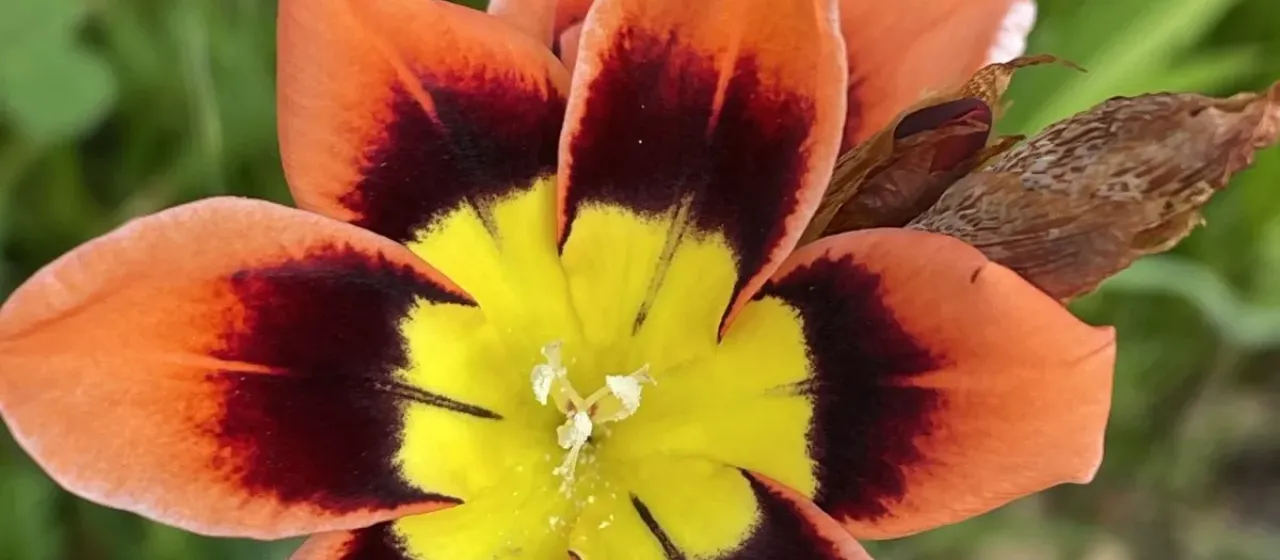
Description
Sparaxis tricolor, commonly known as the harlequin flower, is a perennial bulbous plant belonging to the Iridaceae family. It is widely recognized for its vibrant, multi-colored blooms that feature three distinct shades, creating a stunning visual impact in garden landscapes.
The plant originates from the Cape region of South Africa, where it thrives in well-drained, sandy soils and sunny environments. Due to its Mediterranean origins, it is well-suited to climates with mild, wet winters and dry summers, though it is cultivated globally as a popular ornamental plant in various horticultural settings.
Botanically, the plant grows from a small corm covered in fibrous tunics. It produces narrow, sword-shaped leaves arranged in a basal fan. The inflorescence is a spike consisting of several star-shaped flowers. The plant typically reaches a height of 15 to 45 centimeters, making it an excellent choice for borders and rock gardens.
Successful cultivation of Sparaxis tricolor requires full sun exposure and soil with excellent drainage. It is crucial to prevent waterlogging, which can lead to corm decay. In regions with freezing winters, the corms should be lifted after the foliage has died back and stored in a cool, dry location until the next planting season.
In terms of agricultural use, this species is primarily grown for the floriculture industry and domestic landscaping. Maintaining plant health involves monitoring for pests such as aphids and thrips, as well as fungal pathogens like Botrytis if humidity levels are too high. Regular fertilization during the active growth phase is recommended for optimal flower production.