
Upland white goldenrod
Solidago ptarmicoides (Torr. & A. Gray) B. Boivin
Description
Growing requirements
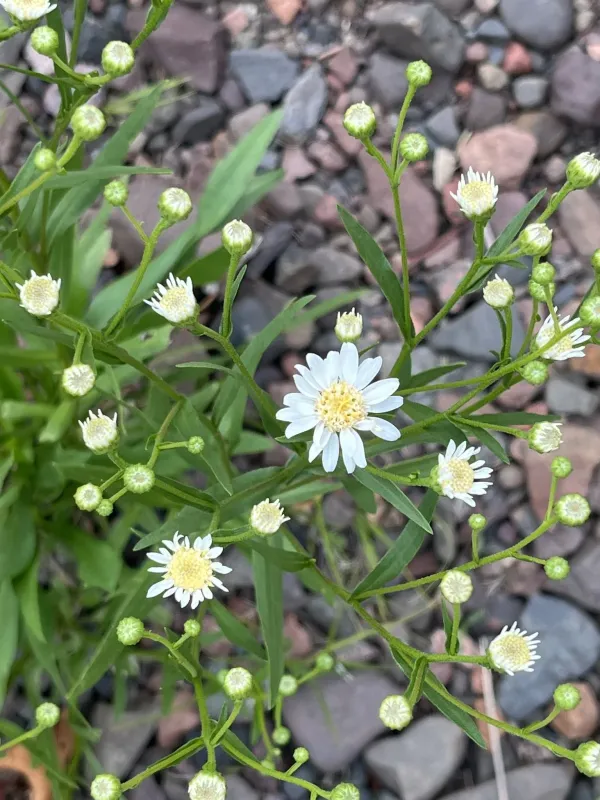
The Upland white goldenrod (Solidago ptarmicoides) is a unique perennial member of the Asteraceae family. Unlike most goldenrods that feature vibrant yellow blooms, this species is distinguished by its charming white to creamy-white flat-topped flower clusters.
Originating from the prairies and rocky outcrops of North America, this plant is well-adapted to harsh environmental conditions. It thrives in open, sunny locations where it can access full sunlight throughout the day to support its robust growth.
In terms of soil requirements, the species prefers dry, sandy, or rocky, well-draining substrates. It is highly sensitive to waterlogging, which often leads to root rot, making proper site selection a fundamental aspect of its cultivation.
Regarding agrotechnology, the Upland white goldenrod is a low-maintenance plant that exhibits significant drought tolerance once established. It requires minimal irrigation, primarily during its initial growth phase or during prolonged periods of extreme heat.
The plant is highly valued for horticultural use, particularly in rock gardens, prairie restoration projects, and native plant landscapes. Its late-season bloom provides a critical resource for various pollinator species including bees and butterflies.
Main diseases and pests
The primary threats to the Upland white goldenrod include fungal diseases, most notably powdery mildew. This infection typically thrives in areas with high humidity and poor air circulation, necessitating strategic spacing of plants.
Root system health is often compromised by over-watering or poorly drained soils. Maintaining a proper moisture balance is essential to prevent the development of crown and root rots that can quickly kill mature plants.
Insect pests, such as aphids and leaf-eating beetles, may occasionally cause damage to the foliage and buds. Regular monitoring of the plant canopy is advised to identify early signs of infestation and prevent extensive damage.
Control methods typically involve the use of environmentally friendly soap-based sprays or targeted horticultural oils if chemical intervention is required, ensuring minimal impact on local beneficial insects.
Overall plant hygiene, including the removal of dead foliage at the end of the season, is the most effective cultural practice to reduce the overwintering of pathogens and insect populations near the crop.