
Canada goldenrod
Solidago canadensis x Solidago virgaurea
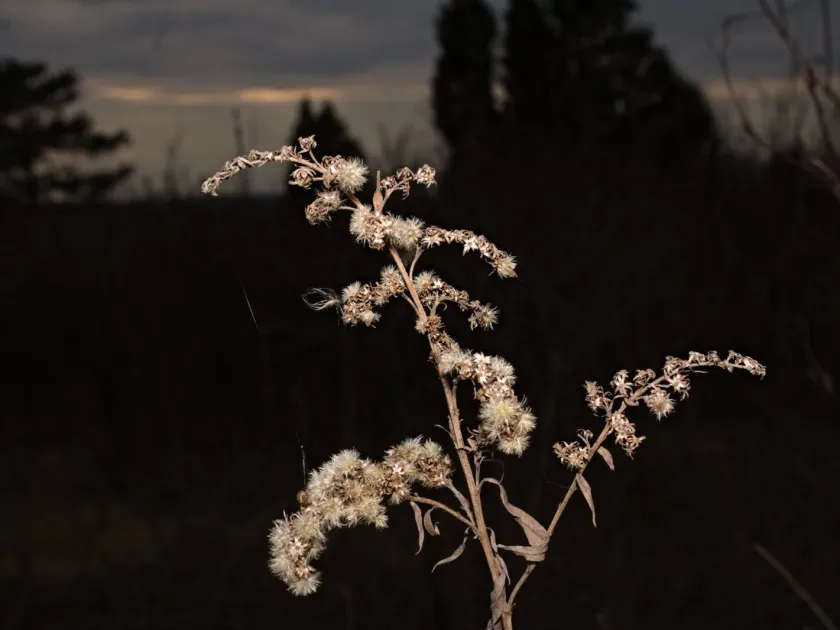
Description
Growing requirements
Canada goldenrod (Solidago canadensis) is a herbaceous perennial belonging to the Asteraceae family. Native to North America, this species has successfully adapted to various environments worldwide, becoming an important economic plant for beekeeping and floriculture.
The plant exhibits high adaptability to various soil types, preferring well-drained, fertile loams, though it thrives in both acidic and neutral conditions. It is highly valued for its ability to grow in challenging terrains where other crops may struggle to establish.
Regarding climate, goldenrod is extremely hardy and resilient to cold winters. It requires adequate sunlight to produce high-quality blooms, as excessive shade significantly reduces the nectar flow and total biomass production of the plant.
Cultural management involves maintaining an appropriate spacing between plants to prevent overcrowding. Since the plant spreads via both seeds and rhizomes, strategic site planning is necessary to keep the cultivation area within designated boundaries.
In terms of agricultural utility, Canada goldenrod is prized primarily as a vital late-season honey source. It fills a critical gap in the forage calendar for honeybees, providing both abundant nectar and high-quality pollen during the late summer and early autumn months.
Main diseases and pests
While Canada goldenrod is generally robust, it is susceptible to powdery mildew, which can become prevalent under conditions of high humidity or poor field ventilation, impacting the aesthetic and physiological health of the crop.
Insect pests, including aphids and leaf-eating caterpillars, may occasionally infest the plants. These pests feed on the foliage and developing flower buds, which can lead to reduced nectar production if the infestation is not managed correctly.
Rust diseases may also occur in densely planted stands, causing lesions on the leaves. Proper field sanitation and maintaining adequate distance between rows can help mitigate these fungal risks without the need for intensive chemical applications.
Integrated Pest Management (IPM) strategies are highly recommended, focusing on the use of beneficial insects and mechanical removal of affected plant parts to preserve the quality of the honey produced.
Proactive monitoring of the crop is essential to identify pest outbreaks early. By maintaining plant vigor through proper site selection and balanced fertilization, growers can significantly decrease the susceptibility of the goldenrod to various environmental stresses.