
Zigzag goldenrod
Solidago flexicaulis L.
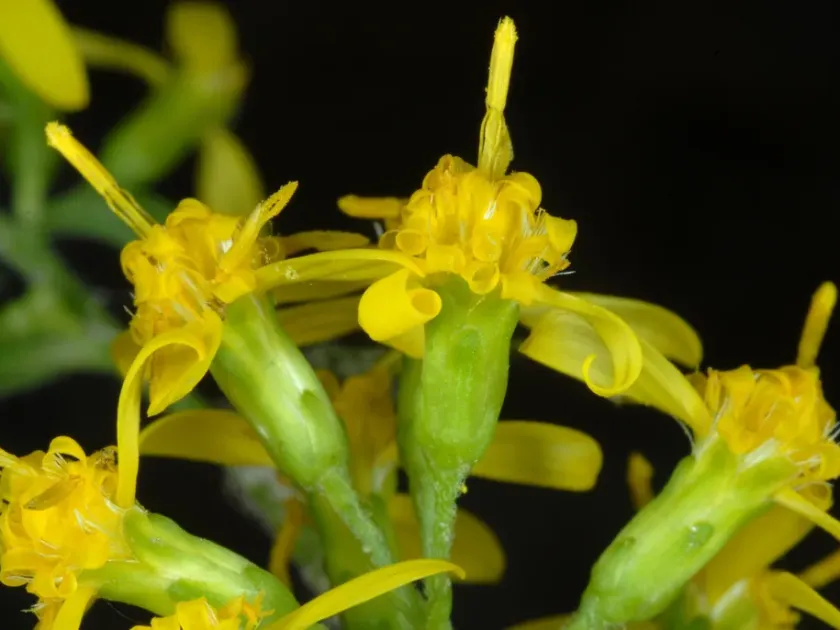
Description
Sowing dates
Zigzag goldenrod is a perennial herbaceous plant belonging to the Asteraceae family. It is typically propagated by seed, which requires cold stratification to break dormancy and ensure high germination rates.
Vegetative propagation via division of the root clumps is most effectively performed in early spring or early autumn when the plant is not actively blooming.
When sowing seeds, they should be scattered on the soil surface as they require light to germinate, making deep burial counterproductive to success.
For optimal growth and air circulation, plants should be spaced at least 40 to 50 centimeters apart, preventing overcrowding that can lead to disease.
During its first year of establishment, the plant focuses its energy on developing a robust root system and a basal rosette of leaves before transitioning to full bloom.
Growing requirements
Unlike many sun-loving goldenrod species, this plant is native to deciduous woodlands, making it highly suitable for shady or semi-shaded garden sites.
It thrives in moist, humus-rich soil with a neutral to slightly acidic pH, mirroring the conditions of its native forest environment.
The plant exhibits excellent hardiness, making it capable of surviving harsh winters in temperate climates without the need for extensive artificial protection.
Mulching the root area helps maintain soil moisture throughout the hot summer months and provides essential protection against freezing temperatures.
Good drainage is crucial, as while the plant enjoys moisture, it cannot tolerate waterlogged soils, especially during the dormant winter period.
Yield
Zigzag goldenrod is primarily valued in ornamental horticulture and landscape architecture for its ability to brighten up dark, shady areas of the garden.
As a late-season bloomer, it serves as a critical source of nectar for pollinators such as bees and butterflies when other floral resources become scarce.
The plant is an excellent choice for woodland restoration projects and wild-style gardening, contributing to the biodiversity of the local ecosystem.
Its dried flower heads can be utilized in floral arrangements, offering a warm golden texture that complements late-season rustic aesthetics.
Current research investigates the potential use of the plant in traditional medicine, given its profile of saponins and various therapeutic phytochemicals.
Main diseases and pests
Powdery mildew is the most common concern for zigzag goldenrod, particularly in environments with high humidity and poor airflow among plant clusters.
Aphids can occasionally colonize the young, tender growth, potentially weakening the plant if infestations are not addressed with manual or biological controls.
Leaf rust may appear during wet seasons, necessitating the prompt removal of infected foliage to prevent the pathogen from spreading through the patch.
Root rot is a significant risk if the soil remains excessively wet; therefore, maintaining soil structure and avoiding heavy compaction is essential.
Sanitation practices, including the removal of dead foliage at the end of the season, are the best methods to keep a patch of goldenrod healthy and disease-free.
Harvesting
Flower stalks intended for decorative use should be harvested at the peak of bloom, once the majority of the tiny florets have fully opened.
For drying, stems should be hung upside down in a dark, well-ventilated location to preserve the color and structural integrity of the blooms.
If seeds are required for future planting, they should be collected in late autumn once the seed heads turn brown and become fluffy in the wind.
At the end of the growing season, after the plant has gone dormant or suffered the first heavy frost, the stalks should be cut back to the ground.
Proper harvest and cleanup ensure the plant enters the winter with a clean slate, reducing the risk of pests overwintering in old, decaying plant material.