
European goldenrod
Solidago virgaurea L.
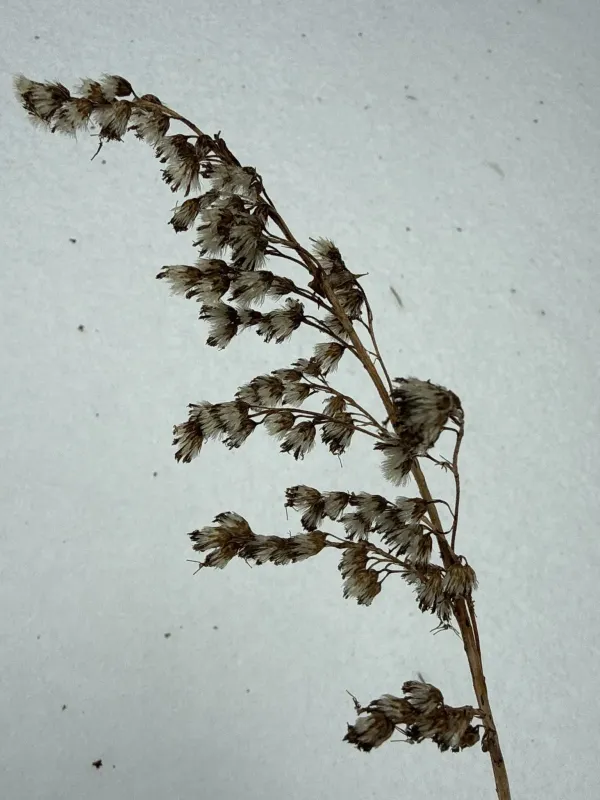
Description
Sowing dates
European goldenrod is primarily propagated through seeds or division of mature rootstocks. For direct outdoor sowing, seeds should be planted in late autumn to allow for natural cold stratification, which is essential for uniform germination in the following spring.
In a controlled nursery environment, seeds are sown in March into a light, well-draining substrate. Maintaining a temperature of 18-20 degrees Celsius ensures optimal sprouting within two weeks, while careful moisture management prevents damping-off diseases in young seedlings.
Seedlings are pricked out once they develop their first set of true leaves. They should be grown in individual containers or a nursery bed until they are strong enough for transplanting into the permanent field, typically after the danger of late frost has passed.
Spacing between plants is crucial for development, with a recommendation of 40-50 cm between rows and individual specimens. This spacing facilitates airflow, which is critical for reducing humidity levels around the foliage and promoting healthy growth.
As a perennial member of the Asteraceae family, European goldenrod exhibits strong vigor. Early-stage management focuses on weed suppression and consistent hydration to ensure that the root system establishes firmly before the first season concludes.
Growing requirements
This species thrives in sunny locations but possesses enough plasticity to adapt to partial shade, making it versatile for different agricultural settings. It performs best in fertile, loamy soils, though it remains productive in various soil types provided they are not excessively compacted.
Effective drainage is the most vital requirement for European goldenrod. Since the plant is susceptible to root rot in waterlogged conditions, choosing an elevated site or amending the soil with sand or gravel is highly recommended for long-term survival.
The plant is highly frost-tolerant, an evolutionary trait reflecting its native distribution across temperate Europe and Asia. It requires no specialized winter protection, as the above-ground biomass naturally senesces, leaving the roots to overwinter in a dormant state.
Fertilization regimes should be balanced, with an emphasis on phosphorus and potassium to support flower development. Excessive nitrogen should be avoided, especially late in the season, as it promotes lush but weak vegetative growth that may hinder winter hardiness.
Adequate soil moisture is necessary during the peak growth months. While established plants are somewhat drought-tolerant, supplemental irrigation during heatwaves significantly improves both biomass yield and the quality of medicinal secondary metabolites.
Yield
Under professional cultivation, the dry yield of European goldenrod herbal biomass typically ranges from 15 to 25 decitons per hectare. Maximum yield is usually achieved by the third year as the plants reach full maturity and peak root volume.
The harvesting window is strictly limited to the mass flowering stage. This timing is essential for ensuring that the levels of flavonoids, saponins, and other bioactive compounds in the aerial parts reach their commercial potential for pharmaceutical extraction.
In addition to its medicinal value, European goldenrod serves as an excellent nectar source for honeybees and other pollinators. Incorporating this plant into agricultural landscapes supports integrated pest management by attracting beneficial insect populations.
For ornamental purposes, yield is evaluated based on flower density and longevity. Proper thinning and removal of spent stalks are required to ensure the plant directs energy into floral displays and healthy vegetative expansion for subsequent seasons.
Consistent management of the plantation life cycle is necessary. Every four to five years, it is advisable to lift and divide established clumps to maintain plant vigor, prevent overcrowding, and keep productivity at an economically viable level.
Main diseases and pests
Powdery mildew is the most common threat to European goldenrod, especially in environments with high humidity and poor circulation. Cultural controls, such as appropriate plant spacing and avoiding overhead irrigation, are usually sufficient to manage this risk.
Pest pressures are generally low, with occasional reports of aphid infestations on tender new shoots. Biological control agents, including ladybugs or lacewing larvae, are effective at managing these populations without the need for synthetic chemical pesticides.
Root rot remains a potential issue in poorly drained soils. Symptoms include stunted growth and yellowing of the leaves near the base of the plant. Improving soil aeration and strictly controlling irrigation cycles are the primary methods for preventing this condition.
Crop rotation practices should be strictly observed to prevent the buildup of soil-borne pathogens. Avoiding sites where other Asteraceae species were recently grown helps minimize the risk of recurring infections and maintains general soil health.
Integrated pest and disease management plans rely on regular scouting of the field to identify issues early. Proactive removal of affected plant parts and keeping the area free of garden debris helps maintain a clean, productive growing environment.
Harvesting
The harvest is executed by cutting the flowering stalks 30-40 cm above the ground during full bloom. This method ensures that the collected material consists primarily of nutrient-rich flowers and upper leaves, maximizing the product's quality.
Once harvested, the material must be dried immediately to prevent fermentation or fungal growth. Using well-ventilated drying sheds or climate-controlled chambers at temperatures below 40 degrees Celsius preserves the volatile essential oils and colors.
Following the drying process, the biomass is cleaned of woody stems and extraneous matter. Packing in breathable, opaque containers helps protect the harvested herb from light and moisture, ensuring stability for up to two years of storage.
Late autumn maintenance involves mowing the remaining stalks down to the base. This task cleans the site for winter, reducing the amount of overwintering habitat for pathogens and pests while preparing the root crown for the next season.
When collecting from smaller or semi-natural populations, it is vital to practice sustainable harvesting, leaving at least 30 percent of the flowers to set seed. This ensures the continued regeneration and health of the local plant population.