
Canada goldenrod
Solidago canadensis L.
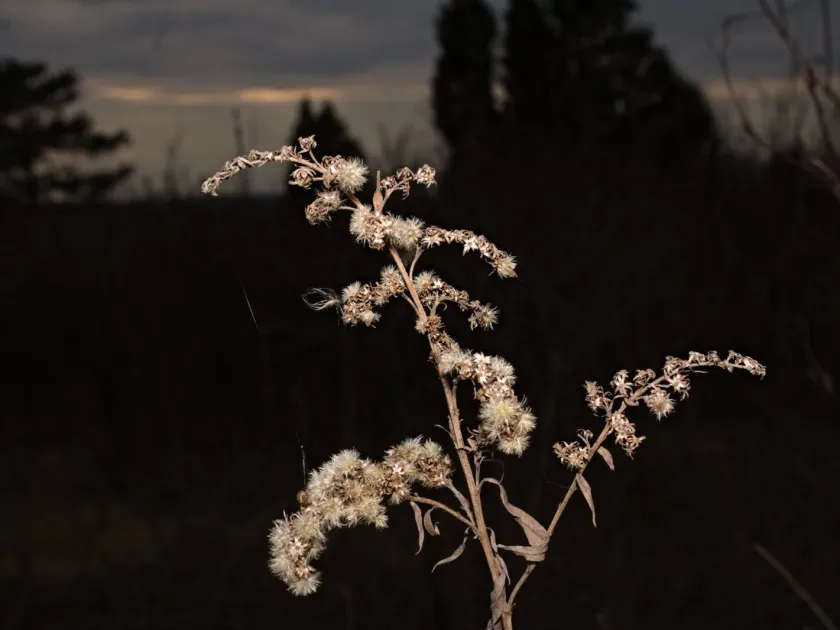
Description
Sowing dates
Canada goldenrod propagates through seeds or via aggressive rhizome development, allowing it to colonize disturbed soils very rapidly.
Seeds require a period of cold stratification to break dormancy, making autumn sowing the most effective method for natural germination in the following spring.
Vegetative propagation is achieved by dividing established clumps; this is best performed during the early growth stage to minimize transplant shock.
When planting intentionally, it is critical to provide adequate spacing of at least 60-80 centimeters to prevent overcrowding and allow for healthy stalk development.
The plant exhibits high seedling vigor, ensuring that successful establishment occurs even under less than optimal soil conditions.
Growing requirements
Solidago canadensis is a hardy perennial belonging to the Asteraceae family, known for its extreme adaptability to diverse environmental conditions.
The crop thrives in full sun but maintains a high level of tolerance for partial shade, making it a versatile plant in terms of site selection.
While it prefers moist, fertile loam soils, it is highly tolerant of poor, dry, and compacted soil textures, demonstrating high ecological resilience.
The species is exceptionally cold-hardy, with its subterranean rhizomes surviving harsh winters, which contributes to its status as a perennial weed in some areas.
Maintenance requirements are minimal, primarily involving the management of its rapid expansion to prevent encroachment into surrounding agricultural plots.
Yield
The primary agricultural value of Canada goldenrod lies in its role as a late-season honey plant, providing crucial nectar for bees during late summer and autumn.
Honey yields from goldenrod stands are significant, often providing a reliable resource for honeybee colonies preparing for the overwintering period.
The foliage and flowering tops are utilized in the pharmaceutical industry for their diuretic and anti-inflammatory properties, providing a steady market for dried herbal material.
Goldenrod biomass has been researched for potential applications in bio-energy production due to its high productivity per hectare in temperate zones.
In managed systems, careful harvesting ensures both a consistent supply of medicinal raw materials and the production of high-quality goldenrod honey.
Main diseases and pests
Powdery mildew is the most common fungal disease associated with goldenrod, particularly in areas with high humidity and poor air circulation between stalks.
Insect pests such as leaf beetles may occasionally damage the plant, though they rarely cause economic losses due to the plant's robust regenerative capacity.
The most significant threat posed by Canada goldenrod is its invasive nature, as it can displace native flora and reduce biodiversity in natural ecosystems.
To control unwanted spread, mechanical intervention such as mowing before seed maturation is the most effective and eco-friendly management technique.
Chemical control involving selective systemic herbicides may be necessary in industrial agriculture to eliminate established rhizome mats.
Harvesting
For medicinal purposes, the flowering tops are harvested at the peak of bloom to ensure the highest concentration of phytochemicals.
The material should be air-dried in thin layers in a shaded, well-ventilated area to preserve the integrity of active ingredients and prevent molding.
Honey harvesting from goldenrod takes place in late summer, with the resulting honey typically having a distinct dark color and robust, slightly spicy flavor profile.
Biomass for energy or industrial use should be collected before the seeds reach maturity to ensure the surrounding environment remains free of potential dispersal.
Post-harvest site management must include the thorough removal of rhizome fragments to prevent the plant from re-establishing in the following season.