
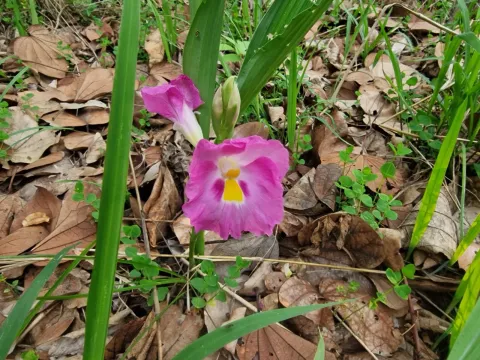
Siphonochilus
Siphonochilus
Siphonochilus, commonly known as African ginger, is a perennial herb belonging to the Zingiberaceae family. Planting typically occurs at the onset of the rainy season to ensure optimal moisture.
What the section contains


Siphonochilus
Propagation is primarily vegetative, involving the division of rhizomes. For the best growth results, planting material should weigh between 30 and 50 grams per piece.
Rhizomes are planted at a depth of 5 to 10 centimeters with spacing between 30 and 45 centimeters. Proper spacing is essential for root expansion and overall plantation health.
Seed-based propagation is rarely used due to low germination rates, making rhizome division the industry standard for commercial agriculture and smallholdings.
After planting, applying a layer of organic mulch helps retain soil moisture and stabilizes the soil temperature, which is crucial for early root establishment.
The plant thrives in tropical climates with high humidity levels. Ideal growth temperatures range between 22°C and 30°C throughout the vegetative cycle.
Soil requirements are strict regarding drainage; Siphonochilus cannot tolerate waterlogged conditions, as poor drainage leads to rapid rhizome rotting.
The crop performs best in sandy loam or light loamy soils rich in organic matter. A slightly acidic to neutral soil pH level is considered optimal for development.
While the plant prefers filtered light, excessive shade can lead to lush vegetative growth at the expense of root development and essential oil concentration.
Balanced fertilization is key, starting with nitrogen-rich inputs early in the season and switching to phosphorus and potassium to boost root density before maturity.
The yield of Siphonochilus depends heavily on management intensity. Harvest usually takes place 8 to 10 months after planting, once the foliage dies back.
Average yields under good management practices range from 5 to 10 tons per hectare. Intensive irrigation can significantly improve these production numbers.
The accumulation of essential oils and bioactive compounds peaks just as the plant enters dormancy, signaling that it is the perfect time for harvesting.
This crop is valued for its pharmacological and culinary applications. The rhizomes are often processed into extracts or dried for the spice market globally.
Proper post-harvest drying is essential for preserving the quality of the product, making it shelf-stable for international trade and domestic medicinal use.
Fungal diseases, specifically Fusarium and Pythium rots, represent the most significant threat to the crop, usually exacerbated by poor soil drainage.
Nematodes are common soil-borne pests that damage the rhizomes, leading to stunted plant growth and an increased risk of secondary bacterial infections.
Leaf spot diseases can occur under high humidity, reducing the photosynthetic surface area and ultimately impacting the size of the developing rhizomes.
Crop rotation is essential to break pest and pathogen life cycles. Siphonochilus should not be planted in soil previously occupied by other ginger family members.
Early identification of pest hotspots is critical; farmers should monitor fields regularly and isolate any plants showing signs of stunted growth or chlorosis.
Harvesting begins when the aerial parts of the plant turn yellow and begin to dry, indicating that the rhizomes have fully matured and developed.
Careful manual or light mechanical extraction is recommended to minimize physical damage to the rhizomes, which can lead to rapid post-harvest degradation.
Rhizomes should be cleaned and processed immediately after harvesting. Keeping the harvested product in the shade is vital to prevent essential oil loss.
Drying is typically performed in well-ventilated sheds at temperatures below 40°C to preserve the chemical profile and medicinal potency of the rhizomes.
After drying, the rhizomes are graded, sorted by size, and packed in breathable containers to maintain quality during storage and transport to buyers.