
Shorea stenoptera
Shorea stenoptera Burck
Description
Growing requirements
Shorea stenoptera is a prominent species within the Dipterocarpaceae family. It is a large evergreen tree native to the tropical rainforests of Borneo and Sumatra, where it thrives under conditions of high precipitation and consistent tropical temperatures.
The tree requires a very specific microclimate to reach maturity. It demands high relative humidity and significant annual rainfall to prevent moisture stress. Unlike many other crops, it does not have a dormant period and requires constant metabolic activity throughout the year.
Soil quality is paramount for the cultivation of this species. It prefers deep, nutrient-rich soil with excellent drainage properties. While it thrives in tropical moisture, waterlogging can lead to fatal root rot, necessitating the careful selection of site topography.
Agricultural management of Shorea stenoptera is characterized by its slow growth rate. It is typically grown in mixed-forestry systems where shade-grown techniques are applied to protect juvenile plants from excessive direct sun exposure during their formative years.
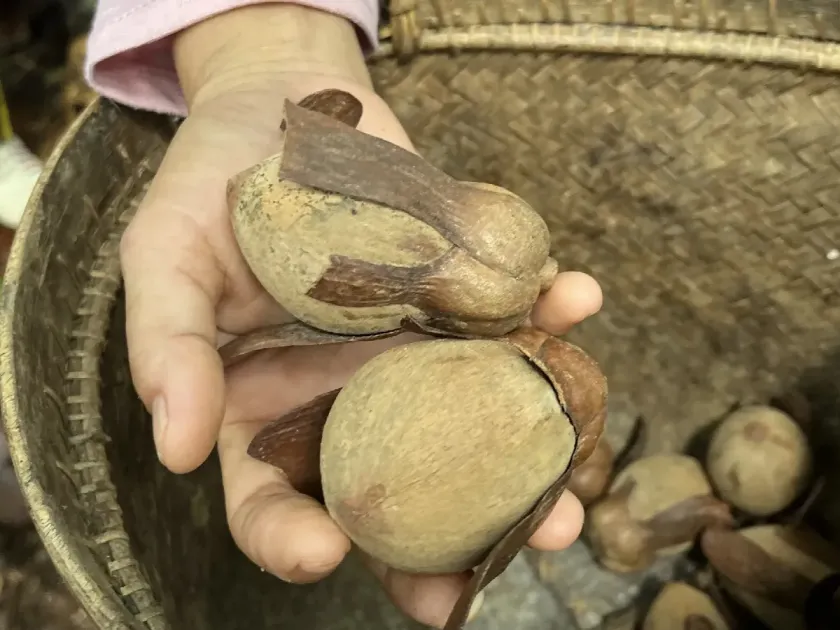
The primary economic value lies in its seeds, often marketed as illipe nuts. These nuts are a rich source of a solid vegetable fat that remains stable at room temperature. Its chemical composition allows it to serve as a high-quality cocoa butter substitute in confectionery.
Main diseases and pests
Pest pressure in tropical regions often involves various wood-boring beetles that can structurally compromise the trunk. Constant monitoring is essential to prevent infestations from spreading through a plantation block.
Fungal pathogens represent the most significant threat to the tree's health, particularly those related to soil moisture. Diseases such as root rot can decimate sapling populations if drainage is not managed correctly or if soil pathogens are introduced.
Weed control is a major challenge during the early stages of growth. Aggressive native weeds and climbing vines can outcompete the young Shorea trees for light and essential nutrients, requiring periodic manual clearing.
Deforestation and habitat fragmentation significantly threaten the genetic diversity of wild Shorea stenoptera populations. This reduction in genetic resilience makes the remaining trees more susceptible to outbreaks of specialized diseases.
Sustainable cultivation requires a balance between intensive agricultural practices and traditional forestry. Minimizing chemical pesticide use is encouraged to maintain the ecological integrity of the rainforest environment where these trees are planted.