
Shorea macrophylla
Shorea macrophylla (de Vriese) P. S. Ashton
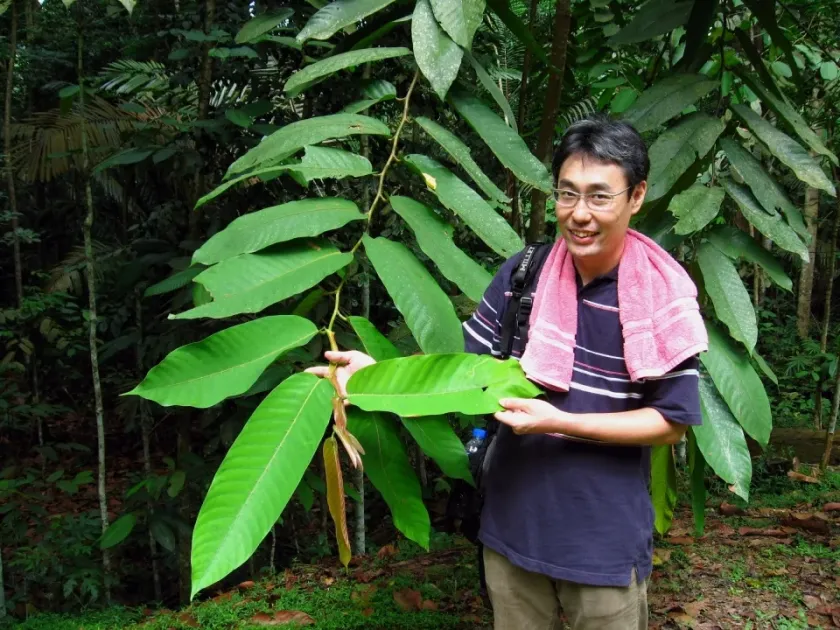
Description
Sowing dates
Shorea macrophylla is a tropical tree species primarily propagated through seeds, which require immediate handling due to their recalcitrant nature and lack of dormancy.
Seeds must be sown immediately after collection, as their viability drops significantly within just a few days of detachment from the parent tree.
In forest restoration projects, seeds are often sown directly onto the moist forest floor, but nursery production is preferred for controlled plantations.
Nursery beds must be prepared with high-moisture retention substrates to mimic the natural environment of the dipterocarp habitat and ensure successful germination.
Seedlings require careful handling and a shaded environment to prevent desiccation during the critical early stages of their establishment.
Growing requirements
As a member of the Dipterocarpaceae family, Shorea macrophylla thrives in equatorial climates characterized by high temperatures and abundant, consistent rainfall.
The species prefers deep, nutrient-rich alluvial soils with excellent drainage, commonly found in low-lying tropical river valleys and riparian zones.
Mycorrhizal associations are essential for the healthy development of this tree; therefore, soil health and the presence of specific fungal symbionts are critical.
The tree requires protection from direct exposure to intense solar radiation during its juvenile stage, necessitating the use of nurse trees or artificial shade.
Maintaining a stable hydrological regime is vital, as the species is sensitive to water stress and requires consistent soil moisture to support its growth.
Yield
The primary economic output of Shorea macrophylla is the harvest of its seeds, which are globally traded as "illipe nuts" for their high fat content.
These seeds contain a hard vegetable fat, often referred to as illipe butter, which is highly valued in the chocolate, cosmetic, and pharmaceutical industries.
Yields are inherently tied to the masting behavior of the trees, where massive fruit production occurs periodically rather than on an annual basis.
In productive years, individual trees can yield large quantities of nuts, contributing significantly to local economies and international trade markets.
While wood production is also a potential use, the agricultural focus is largely directed towards the sustainable harvesting of the oil-rich seeds.
Main diseases and pests
Plantations of Shorea macrophylla are susceptible to various pests, including wood-boring insects that can damage the trunk and reduce the tree's overall vigor.
Fungal pathogens pose a major threat during the fruit maturation period, especially when humidity levels remain excessively high, leading to nut decay.
Wildlife, such as rodents and wild pigs, frequently consume falling seeds, causing substantial post-harvest losses if not managed correctly.
Root rot diseases, often resulting from waterlogged conditions or poor soil aeration, can be fatal to young saplings and established trees alike.
Weed competition for light and nutrients can severely inhibit the growth of young trees, requiring proactive weeding and land management strategies.
Harvesting
Harvesting is traditionally carried out by manually collecting the mature seeds from the ground after they have naturally fallen from the canopy.
Efficiency in harvesting is increased by clearing the undergrowth beneath the trees, which makes it easier to locate and retrieve the seeds quickly.
Immediate post-harvest processing is mandatory, involving the removal of fruit coats followed by thorough drying to reduce moisture content.
Proper drying is essential to prevent fungal contamination and degradation of the fat content, ensuring the quality of the final illipe butter product.
Logistics play a critical role, as the quick transport of harvested seeds to processing facilities is necessary to maintain the integrity of the oil-bearing tissues.