
Shorea polysperma
Shorea polysperma (Blanco) Merr.
Description
Growing requirements
Shorea polysperma, commonly known as Tanguile, belongs to the Dipterocarpaceae family. It is one of the most prominent timber species native to the Philippines, known for its rapid growth and high-quality wood production in tropical environments.
This species thrives in a humid tropical climate where rainfall is evenly distributed throughout the year. It requires high average temperatures and high humidity levels, typical of lowland rainforest ecosystems, to reach its full biological potential.
The ideal soil conditions for Shorea polysperma are deep, fertile, and well-drained loam. While the tree can tolerate various soil types, it is highly sensitive to waterlogging, which significantly impairs root respiration and overall vitality.
Young plants typically require a shaded environment to establish themselves during the initial stages of growth. As they mature, they become light-demanding and require canopy gaps or open areas to continue rapid vertical development.
Agrotechnical practices involve regular weed control around the base of the saplings and systematic thinning of plantations. These steps ensure that the developing trees receive adequate light and nutrient resources for optimal biomass accumulation.
Main diseases and pests
The most significant threats to Shorea polysperma include fungal pathogens that target the root system, often triggered by poor drainage or excessive soil moisture levels. These infections can lead to tree dieback and reduced forest health.
Stem-boring insects and various beetle species are major pests that can damage the internal structure of the trunk. Such damage not only lowers timber value but can also serve as entry points for secondary infections.
Defoliating insects can cause significant stress to young plantations, reducing the photosynthetic capacity of the trees. This results in slower growth rates and makes the plantation more susceptible to environmental stressors.
Soil degradation, specifically on hilly terrain, can expose the root systems of the trees, making them vulnerable to mechanical injury and windthrow during extreme weather events common in tropical regions.
Integrated pest management, including regular health monitoring and the maintenance of biodiversity within the forest stand, is essential for mitigating the risks of widespread outbreaks and ensuring long-term forest stability.
Harvesting
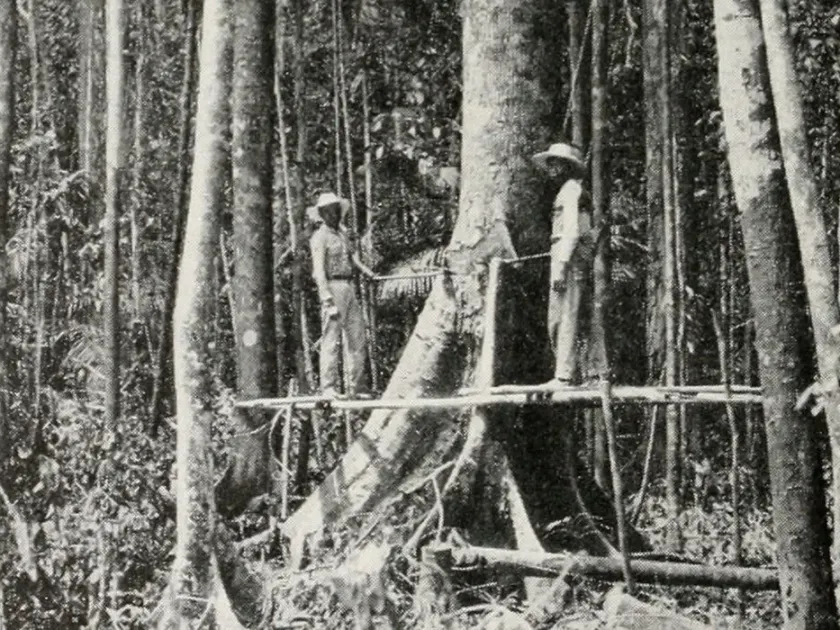
The primary economic use of Shorea polysperma is the production of high-quality lumber known as Tanguile. It is widely utilized in fine furniture making, interior joinery, and heavy-duty structural applications.
The harvesting process follows strict sustainable forest management guidelines. Only mature trees that have reached the appropriate diameter are selected for harvest, ensuring that the ecological integrity of the forest is preserved.
Tanguile timber is highly regarded for its physical properties, including excellent workability, durability, and resistance to warping once properly seasoned. It serves as a benchmark for quality among Philippine mahogany-type woods.
Harvesting techniques prioritize minimal impact on the remaining vegetation. By using directional felling and controlled extraction methods, forest managers facilitate natural regeneration and maintain the canopy structure.
Adding value through local processing and efficient use of residues is a key component of the economic viability for Shorea polysperma plantations, ensuring that every harvested tree contributes effectively to the economy.