
Sal tree
Shorea robusta C. F. Gaertn.
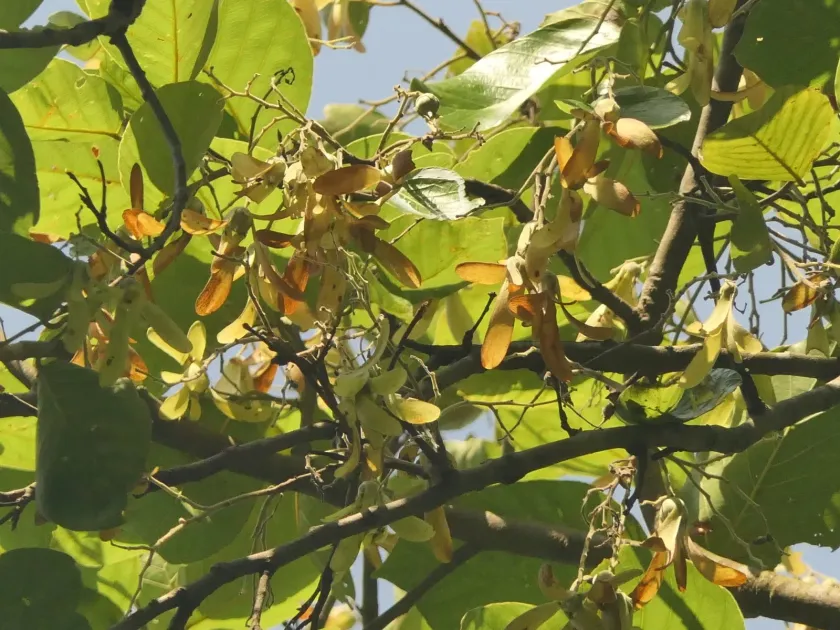
Description
Growing requirements
Shorea robusta, commonly known as the Sal tree, is a prominent member of the Dipterocarpaceae family. This majestic species is native to the Indian subcontinent and serves as a vital component of tropical forests, playing a crucial role in ecological stability.
The tree thrives in tropical and subtropical climates, requiring distinct seasonal rainfall patterns. It performs best on well-drained, deep alluvial soils, typically avoiding areas prone to waterlogging or severe drought, which can significantly inhibit its growth.
Young Sal trees are known for their shade tolerance, allowing them to establish themselves under the canopy of parent trees. As they mature, they require ample space and light, reflecting their adaptation to specific successional stages in forest development.
Silvicultural practices for Shorea robusta focus on sustainable forest management, often utilizing natural regeneration techniques after careful harvesting. Soil conservation and the maintenance of leaf litter are essential for sustaining soil fertility in Sal plantations.
Economic utility is extensive; the timber is highly valued for its strength, durability, and resistance to termites. Additionally, the seeds are processed to extract Sal butter, a valuable fat used in chocolate production and skincare products.
Main diseases and pests
The most significant threat to the health of Sal forests is the Hypoxylon fungus, which causes widespread "Sal dieback," leading to the rapid decay and mortality of large tracts of mature trees.
Borers, particularly the larvae of the Sal heartwood borer (Hoplocerambyx spinicornis), are devastating pests capable of causing catastrophic losses in commercial forestry operations through internal trunk damage.
Seed-feeding insects, such as various weevils, pose a major challenge for nursery production and natural recruitment, as they reduce the viability of seed batches collected for propagation.
Deforestation and encroachment significantly degrade the habitat of the Sal tree, leading to increased vulnerability to invasive species and reducing the overall resilience of the forest ecosystem.
Effective management requires strict forest hygiene protocols, including the removal of infested logs and the implementation of controlled burning to reduce fuel loads and promote healthy regrowth.