
Scleria sumatrensis
Scleria sumatrensis
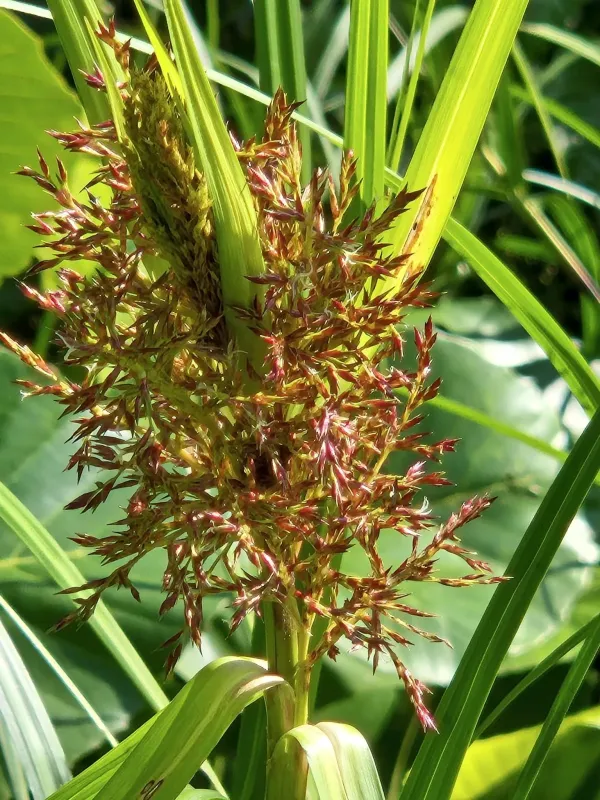
Description
Growing requirements
Scleria sumatrensis is a perennial herbaceous plant belonging to the Cyperaceae (sedge) family. This species is native to the tropical regions of Southeast Asia, where it thrives in moist, swampy habitats and riverbanks.
The plant is characterized by its stiff, linear leaves and upright stems, which are typical for the genus. It prefers environments with high humidity and temperatures, showing a remarkable adaptation to flooded or waterlogged soil conditions.
Cultivation of this species requires specific tropical conditions. It performs best in soils that are acidic and rich in organic matter. Because of its natural affinity for wetlands, it is considered a candidate for site restoration projects in swampy areas.
The plant exhibits a high degree of resilience to environmental stress. It is adapted to survive in areas where high water levels would inhibit the growth of standard agricultural crops, making it a unique asset for niche land utilization.
In terms of botany, Scleria sumatrensis produces small, inconspicuous flowers arranged in panicles. The reproductive strategy involves both vegetative spread through robust rhizomes and seed dispersal, which allows the plant to maintain stable populations in the wild.
Yield
Economically, Scleria sumatrensis is traditionally valued for its strong, fibrous stems. Local communities harvest the plant to create high-durability items, such as mats, baskets, and various household tools, leveraging its toughness.
The yield of green biomass can be significant in favorable tropical climates. While large-scale agricultural exploitation is currently limited, the plant's structural properties suggest potential use in sustainable fiber production or as a secondary material in the pulp industry.
Harvesting methods involve manual cutting of the mature stems. The presence of silica in the leaves contributes to the plant's durability and resistance to biological decay, which is a desirable trait for long-lasting woven products.
The plant exhibits high regeneration capacity. Once established, the rhizome system supports annual regrowth, allowing for repeated harvests over multiple seasons without the need for constant soil preparation or re-sowing.
Future research into the yield potential of Scleria sumatrensis could focus on optimizing growth density and irrigation intervals to maximize biomass production. Such studies would be essential for transitioning the plant from a wild-harvested resource to a structured agricultural product.