
Scleria
Scleria catophylla
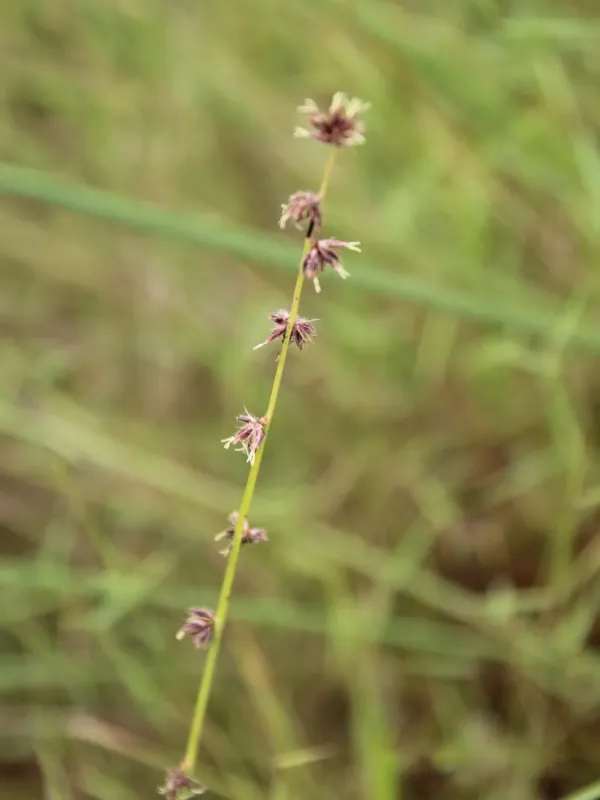
Description
Growing requirements
Scleria (Scleria catophylla) is a perennial plant belonging to the sedge family, Cyperaceae. It is primarily native to tropical regions of Africa and parts of Asia, where it typically thrives in marshy environments, floodplains, and wetland peripheries. The plant is known for its ability to adapt to high-moisture ecosystems.
The botanical structure of Scleria features firm, triangular stems typical of the sedge family. The leaves are linear, often characterized by sharp, serrated edges which provide a structural defense. The plant possesses a robust rhizomatous root system, which is crucial for its survival and propagation in waterlogged soils.
Climatic requirements for Scleria revolve around tropical patterns, necessitating significant annual rainfall and stable high temperatures. Ideally, the plant prefers temperatures ranging from 22°C to 30°C. It is highly resilient to transient flooding but generally struggles in arid or semi-arid conditions where humidity levels are insufficient.
Soil preferences lean towards nutrient-rich, acidic to neutral moisture-retentive soils. To achieve high biomass yield, Scleria requires an environment that allows for consistent nutrient uptake. Fertile alluvial soils are particularly conducive to the plant's rapid growth cycle, especially when supported by nitrogen-rich inputs.
In terms of agricultural use, Scleria is often utilized as a source of vegetable fibre for craft production or as a natural component of grazing lands in its native range. Furthermore, there is ongoing interest in assessing its potential as a sustainable source of bio-fibre for industrial applications, given its rapid regeneration rate.
Main diseases and pests
The main threats to Scleria crops involve fungal diseases, particularly those that flourish in anaerobic or high-humidity soil conditions. Root rot remains the most common issue, often caused by stagnant water that prevents proper aeration of the rhizomes.
Pests such as stem-boring larvae can compromise the structural integrity of the plant. These pests feed on the internal tissues, causing the stems to weaken and eventually collapse, which impacts the total harvested biomass.
Implementation of integrated pest management (IPM) is advised to maintain crop health. This includes monitoring for early signs of leaf discoloration, which often indicates the presence of sucking insects or early-stage fungal infection.
Maintaining proper spacing between plants helps to reduce humidity traps and allows for better air circulation, which is a key preventive measure against foliage pathogens. Overcrowded fields are significantly more prone to rapid disease outbreaks.
Environmental stress, such as unseasonable temperature drops or prolonged drought, can lead to physiological disorders that decrease the plant's resistance. Timely intervention and climate-resilient field management are essential for sustainable production.