
Scleria caricina
Scleria caricina
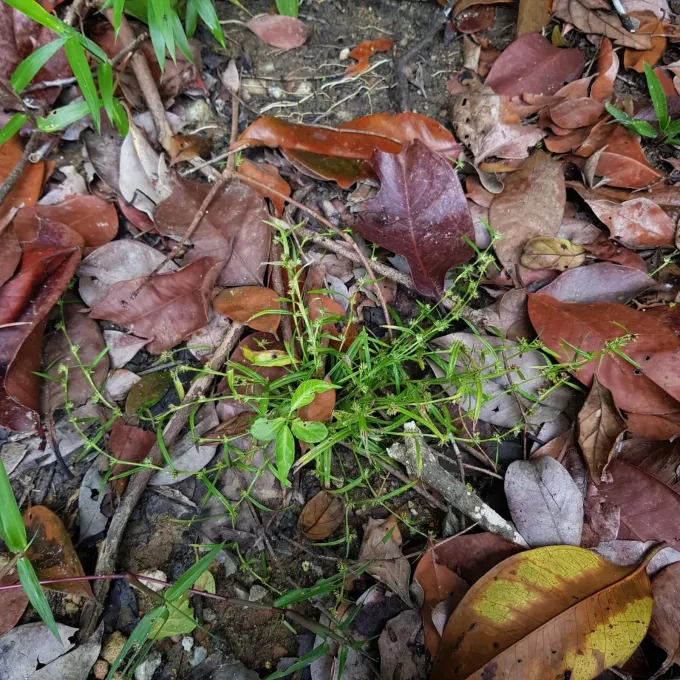
Description
Growing requirements
Scleria caricina is a perennial herbaceous plant belonging to the Cyperaceae family. It is natively found in tropical and subtropical regions, primarily in wetlands, marshes, and damp meadows where the water table remains high throughout the year.
Botanically, it is characterized by its triangular stem and grass-like leaves, common to its family. The plant develops a robust root system that helps it survive in saturated soils, functioning effectively as a hydrophytic species.
The climate requirements for this culture include high humidity and consistent rainfall. It thrives best in temperatures ranging from 22 to 30 degrees Celsius and is highly intolerant of frost, which restricts its cultivation to warmer zones.
Soil requirements involve a preference for organic-rich, acidic or neutral substrates. In agricultural settings, it requires areas with adequate drainage to avoid stagnation while maintaining moisture, ensuring the plants receive sufficient nutrients.
Its primary agricultural use is as a hardy forage plant in swampy regions where traditional grasses struggle. It helps maintain ground cover in unstable environments and provides sustenance for livestock in specific local agricultural systems.
Main diseases and pests
The main threats to Scleria caricina are fungal pathogens that thrive in humid environments. Leaf spots and rust diseases can significantly affect the foliage, reducing the photosynthetic efficiency and overall biomass yield.
Pests such as aphids and leafhoppers pose a continuous threat by feeding on the sap of the stems. Their presence not only weakens the plant but also acts as a vector for secondary viral infections that can compromise the crop.
Root rot is a common issue when soil conditions become anaerobic due to excessive stagnation of water, especially during cooler nights. Proper water management is essential to mitigate these risks to the root integrity.
Competition from more aggressive, invasive aquatic weeds can stifle the growth of Scleria in its early stages. Therefore, regular monitoring and manual weeding are recommended to ensure the establishment of a healthy stand.
Integrated pest management strategies focusing on natural biological controls are preferred, given the sensitivity of the wetland ecosystems where this plant is typically cultivated.