
Scleria biflora
Scleria biflora
Description
Growing requirements
Scleria biflora is a distinct species within the Cyperaceae family, commonly known for its preference for saturated environments. As an agricultural object, it is primarily categorized as a specialty crop suited for wetland agriculture.
The plant originates from tropical regions across Asia, thriving in areas with high annual rainfall and humid conditions. It is naturally found in marshes, paddy fields, and along riverbanks, showcasing its adaptation to water-rich landscapes.
Optimal growth requires consistent soil moisture levels and exposure to diffused sunlight. The soil should ideally be rich in organic matter, as the plant is efficient at extracting nutrients from water-logged substrates characteristic of its native habitat.
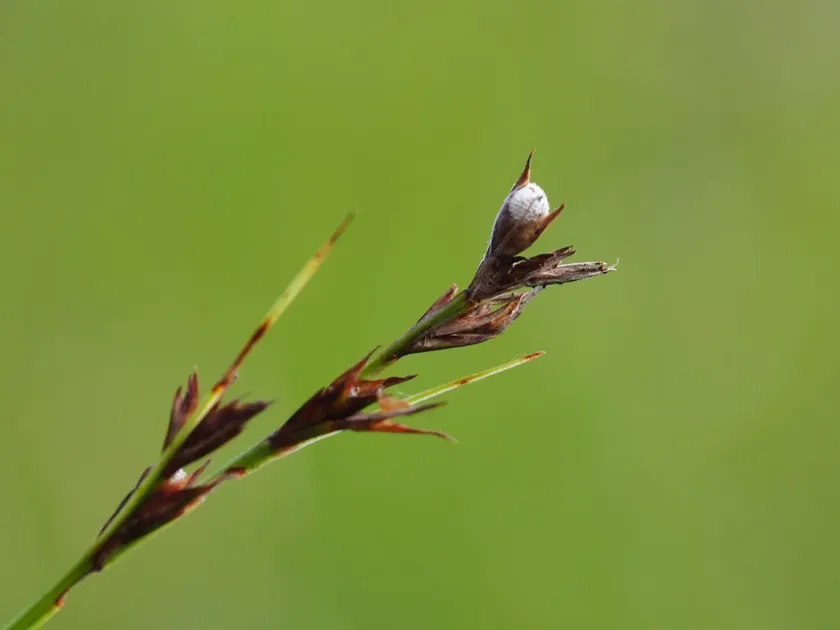
Botanically, Scleria biflora features an upright growth habit and distinct inflorescences that produce small, nut-like fruits. The roots are fibrous and highly specialized to function in anaerobic soil conditions, which is a key biological trait of this sedge.
The practical use of this species remains niche, focusing on sustainable land use in wetlands, potential biodiversity restoration, and local botanical utility in environments where traditional cereal crops fail due to excessive soil moisture.
Main diseases and pests
Fungal infections pose a significant risk if the drainage is completely stagnant or if air circulation is insufficient within the crop canopy. Implementing adequate spacing is vital to prevent the development of leaf spot diseases.
Common pests include sedentary insects and various borers that may target the stems. Integrated pest management strategies, emphasizing biological controls, are recommended to preserve the health of the cultivation without damaging the delicate wetland ecosystem.