
Scleria ciliaris
Scleria ciliaris
Description
Growing requirements
Scleria ciliaris is a perennial herb belonging to the Cyperaceae family. Within the field of agronomy, this plant is recognized for its adaptation to specific ecological niches, primarily found in tropical and subtropical regions where environmental conditions are characterized by high humidity and consistent rainfall.
The plant originates from Southeast Asia and parts of Australia, where it thrives in wetlands, swampy meadows, and along the margins of forest tracts. Its distribution is closely linked to its ability to survive in waterlogged soils, making it a significant botanical component in ecosystems that are generally unsuitable for mainstream crop cultivation.
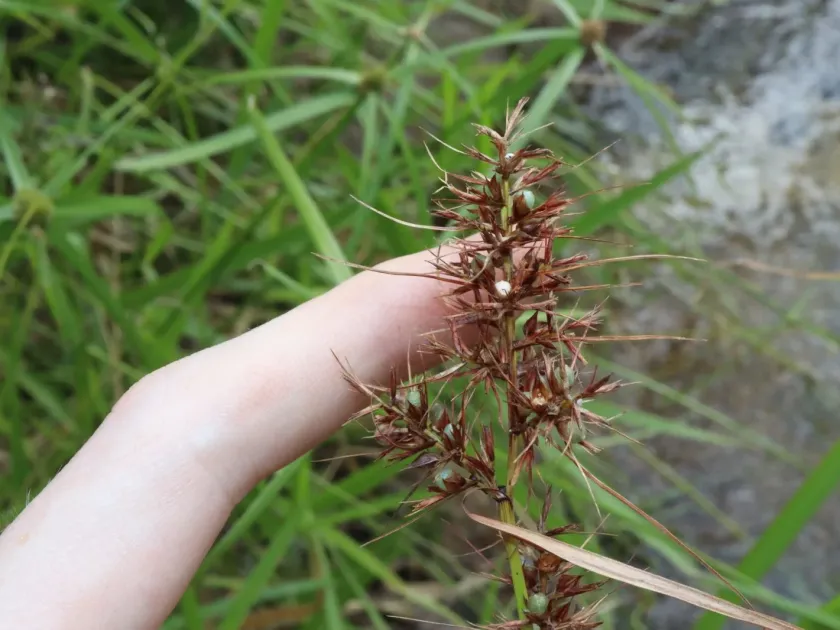
Botanically, Scleria ciliaris is characterized by its rigid, triangular-shaped stems and linear leaves that often feature sharp, ciliate margins. This structural adaptation serves as a defense mechanism against herbivory and physical damage. The reproductive structures consist of small spikelets arranged in panicles, which produce viable seeds that support natural propagation.
Regarding cultivation requirements, the species performs best in moist, nutrient-rich soils. It exhibits a high tolerance for varying pH levels, though it prefers slightly acidic to neutral soil environments. Optimal development occurs in areas with high solar radiation, provided that the root zone remains consistently hydrated throughout the growing season.
From an agricultural standpoint, the plant is valued for soil stabilization and environmental restoration projects. In its younger stages, the foliage is consumed by ruminants, providing necessary bulk in forage systems. While not a primary commercial crop, it plays a vital role in sustainable land management within its native range.
Main diseases and pests
The primary health threats to Scleria ciliaris include fungal pathogens that thrive in stagnant water environments. Rust diseases are particularly common, manifesting as pustules that inhibit photosynthesis and reduce the overall biomass yield. Proper drainage management is essential to mitigate these biological threats in intensive cultivation.
Pest pressures are largely driven by specialized insects that feed on the structural tissues or the developing seed heads. While the plant's high silica content provides some natural protection, infestations by stem-borers can weaken the plants. Effective management involves monitoring for early symptoms of localized pest colonization during the peak vegetative phase.