
Scleria bracteata
Scleria bracteata
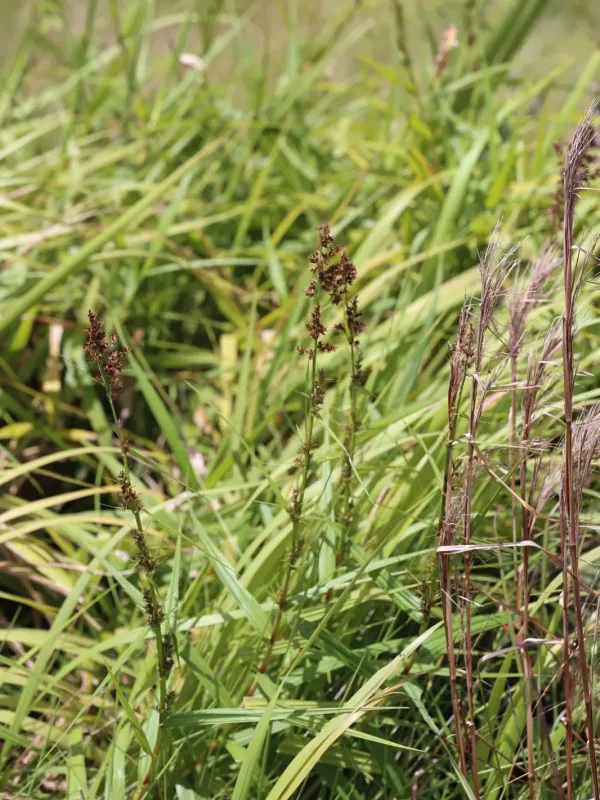
Description
Growing requirements
Scleria bracteata is a perennial herbaceous plant belonging to the Cyperaceae family. It is native to the tropical regions of the Americas, where it thrives in moist, open, or partially shaded environments such as forest edges and wetlands.
The plant is recognized by its distinct bracts located at the base of the inflorescence, which distinguishes it from many other sedges. Its stems are typically tough and fibrous, providing the structural integrity needed to withstand strong tropical rains and wind.
Cultivation of this species requires a tropical climate with high annual temperatures and consistent precipitation. It is best suited for environments where the soil remains moist for the majority of the year, as it does not tolerate prolonged drought conditions.
Soil requirements involve well-drained but moisture-retentive substrates that are acidic in nature. In agronomic applications, the plant requires minimal fertilization if the soil nutrient profile mimics its natural tropical habitat, particularly regarding organic content.
Regarding its utility, Scleria bracteata is primarily valued for its role in local ecosystems and biodiversity conservation. In some traditional contexts, it has been used for weaving or binding materials, though it is not widely grown as an industrial agricultural crop.
Main diseases and pests
The main threats to the plant include various fungal pathogens that flourish in high-humidity environments, leading to leaf blight and stem rot. These diseases can significantly impact the biomass productivity and overall vigor of the crop.
Insect pests such as grasshoppers and certain lepidopteran larvae may feed on the foliage. While the plant's high silica content makes it somewhat unpalatable to general herbivores, concentrated pest pressure can still cause localized damage to developing shoots.