
Scleria bulbifera
Scleria bulbifera
Description
Sowing dates
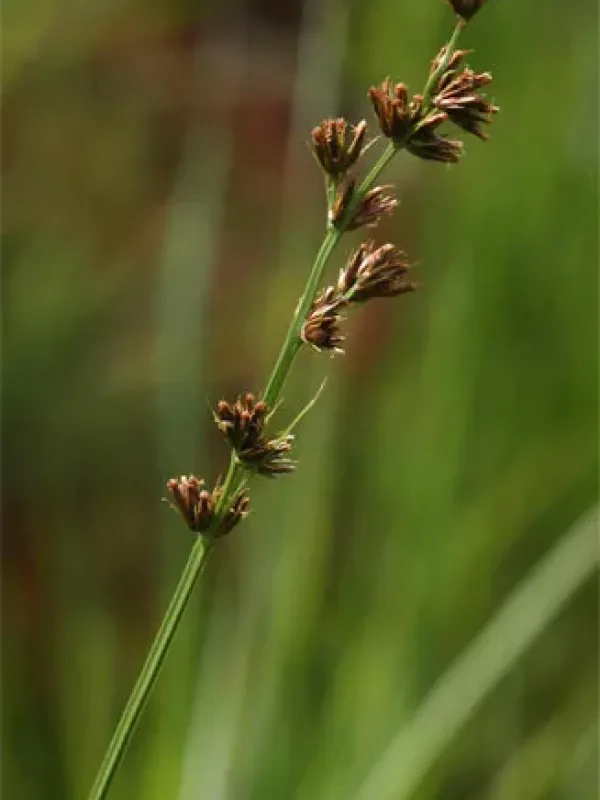
Scleria bulbifera is a perennial herbaceous plant belonging to the Cyperaceae family. It is characterized by its unique ability to develop bulbous structures on its rhizomes, which act as energy storage organs for vegetative propagation and survival.
Planting typically occurs during the start of the warm season when soil temperatures are conducive to root development. Proper preparation of the seedbed is essential, focusing on maintaining high moisture levels throughout the initial growth stages.
The spacing between plants should be carefully managed to ensure adequate sunlight penetration for each individual. Overcrowding can lead to stunted growth and reduced formation of the characteristic bulbous organs.
Seed germination requires high humidity and steady temperature ranges, mimicking the plant's natural wetland environment. Once established, the plants demonstrate a robust growth habit, spreading through their underground rhizomes.
Agricultural practices involve monitoring the development of the root system, as it is the primary indicator of the plant's overall health and future yield potential. Mulching or soil coverage can help maintain the required surface moisture.
Growing requirements
This species thrives in wet, sunlit habitats, making it highly suitable for areas with consistent water availability. It requires soil with high organic matter content and a moisture-retentive structure to perform optimally.
The ideal climatic conditions for Scleria bulbifera include warm, humid environments. It is sensitive to extreme cold and frost, which can damage its delicate rhizomes and halt its metabolic processes during winter.
Soil pH management is crucial, as the plant prefers slightly acidic to neutral soil environments. Excessive salinity should be avoided, as it can inhibit nutrient uptake and lead to plant decline.
Abundant sunlight is necessary for the plant's physiological needs. While it thrives in wetlands, it does not tolerate dense shade, which interferes with its photosynthetic efficiency and overall biomass accumulation.
Fertilization regimes should focus on providing essential nutrients that support vegetative growth and rhizome development. A balanced NPK fertilizer, applied during the peak growth season, can significantly improve crop performance.
Main diseases and pests
Fungal pathogens represent the most significant threat, particularly in poorly ventilated or excessively stagnant environments. These diseases often target the root system, leading to rapid plant decay.
Various insect pests, including aphids and specialized beetles, may feed on the foliage, weakening the plant. Integrated pest management strategies are recommended to mitigate these risks without harming the environment.
Competition from fast-growing weeds is a primary concern for growers. Without proper weed control, especially during the seedling stage, the crop can be quickly overtaken, leading to significant yield loss.
Root-knot nematodes can interfere with the development of the bulbous structures, reducing quality and viability. Implementing crop rotation and utilizing certified clean planting material are effective prevention measures.
Regular field scouting is essential to detect any signs of stress or infestation. Early intervention, including the removal of infected plant tissue, helps contain outbreaks and protects the overall crop health.