
Scleria scrobiculata
Scleria scrobiculata
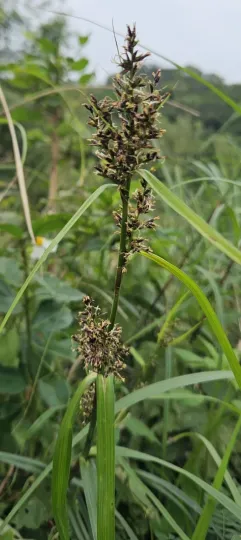
Description
Growing requirements
Scleria scrobiculata is a robust perennial herb belonging to the Cyperaceae family. This species is recognized for its significant vegetative growth and is often found in tropical environments where moisture is abundant throughout the year.
Native to South and Southeast Asia, this plant thrives in wetlands, forest edges, and areas with high humidity. Its distribution is largely defined by tropical climate zones where rainfall remains consistent, allowing the plant to maintain active development without seasonal dormancy.
To cultivate this crop successfully, growers must ensure access to consistent water supply. The soil should be fertile and exhibit excellent water-holding capacity. While the plant is resilient in wet conditions, it does not tolerate saline soils or extended periods of drought.
Temperature requirements are strictly tropical, necessitating warm conditions with minimal fluctuations. Frost or cold snaps are detrimental to the plant's health and can lead to immediate cessation of growth. Therefore, cultivation is restricted to frost-free regions.
The agricultural and economic utility of Scleria scrobiculata is diverse. It is widely harvested for its fibrous stalks, which are used in traditional weaving to create mats, containers, and building materials. Additionally, it serves as a source of biomass in local livestock production systems.
Main diseases and pests
The primary threats to the crop include fungal pathogens that thrive in waterlogged conditions, causing root rot and leaf blights. Maintaining proper spacing and air circulation within the field is crucial to mitigating these disease risks.
Insect pests include stem-boring larvae and various sucking insects that can weaken the stalks. Integrated pest management strategies, focusing on biological control and field sanitation, are recommended to maintain plant health and biomass quality.