
Scleria rugosa
Scleria rugosa
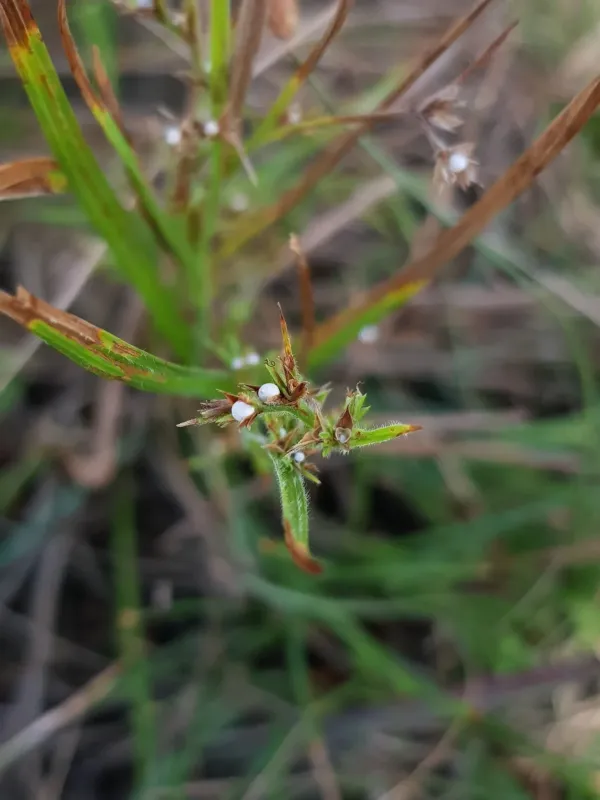
Description
Growing requirements
Scleria rugosa is a herbaceous plant belonging to the Cyperaceae family, widely recognized for its preference for wetland habitats. Found primarily in tropical and subtropical regions across the globe, it serves as a significant component of local marshland ecosystems and wet meadows.
Botanically, the plant is identified by its triangular stems and distinctively rugose (wrinkled) nutlets, which provide the species with its specific scientific name. It typically grows in dense clusters, utilizing its fibrous root system to anchor firmly in saturated soil environments where other vegetation might struggle.
The climate requirements for this species are strictly tropical, necessitating consistent warmth and high humidity. It lacks cold tolerance, which limits its presence to regions where temperatures remain high throughout the year, ensuring uninterrupted growth and development cycles.
Regarding soil conditions, Scleria rugosa thrives in waterlogged or frequently flooded soils. It favors substrates rich in organic matter and slightly acidic to neutral pH levels. The maintenance of a high water table is critical for the survival of the plant, as it is highly sensitive to drought and moisture deficiency.
In terms of agricultural utility, while not a mainstream industrial crop, Scleria rugosa holds local value as a pasture species in specific wetland regions. Its fibrous composition also allows for limited traditional use in weaving and as a binding material, demonstrating the practical versatility of this resilient sedge species.