
Scleria polycarpa
Scleria polycarpa
Description
Growing requirements
Scleria polycarpa is a perennial herbaceous plant belonging to the Cyperaceae (Sedge) family. Its natural distribution is primarily centered in the tropical regions of the Pacific islands and Southeast Asia, where it occupies damp forest margins and coastal habitats.
This crop thrives in warm, humid tropical climates. It requires consistent year-round temperatures and protection from cold winds. The plant is best suited for cultivation in zones that mimic its native tropical rainforest environment, avoiding any form of frost.
Soil requirements for optimal growth involve a moist, nutrient-rich substrate with excellent drainage properties. While the plant appreciates high humidity, stagnant water at the roots can lead to issues, making a well-aerated, humus-rich soil mixture the preferred choice for commercial nursery cultivation.
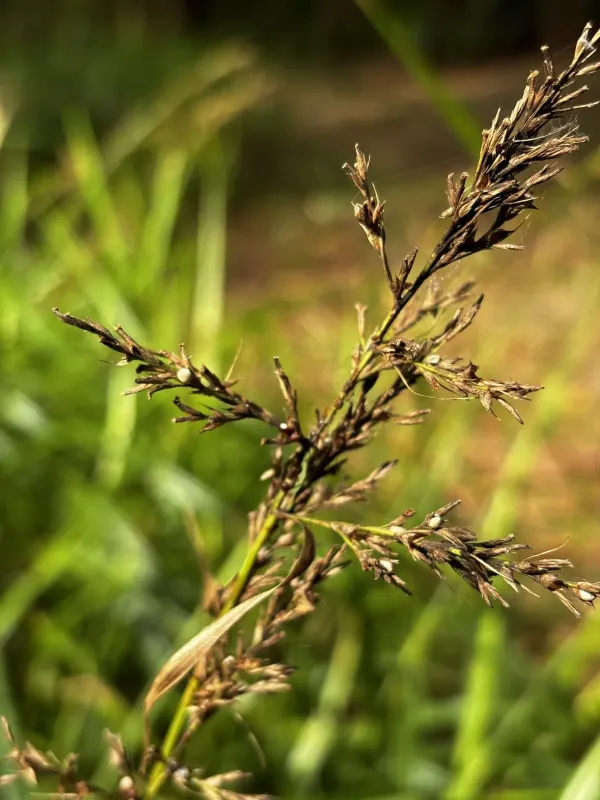
Morphologically, the plant features the signature triangular stem of the Sedge family. The leaves are typically long, narrow, and tough, with margins that may be sharp to the touch. The inflorescence consists of complex clusters that lead to the development of hard, often polished, nut-like fruits.
Economic uses of Scleria polycarpa are primarily centered on its ornamental properties. The hard, often shiny nutlets are traditionally harvested to make beads, jewelry, and various ceremonial items. Furthermore, the foliage can be utilized in small-scale local agriculture for mulching and soil protection.
Main diseases and pests
The main threats to Scleria polycarpa involve various fungal diseases that proliferate in overly humid or poorly ventilated greenhouse conditions. Leaf spot diseases are the most common concern, requiring strict adherence to spacing and airflow management to prevent rapid spread across the plantation.
Pest threats include tropical insect species, specifically those that feed on tough, fibrous leaves. Regular field scouting is essential to identify infestations of sap-sucking insects or leaf miners early, ensuring that biological control methods can be deployed before significant damage occurs to the harvestable crop.