
Scleria pergracilis
Scleria pergracilis
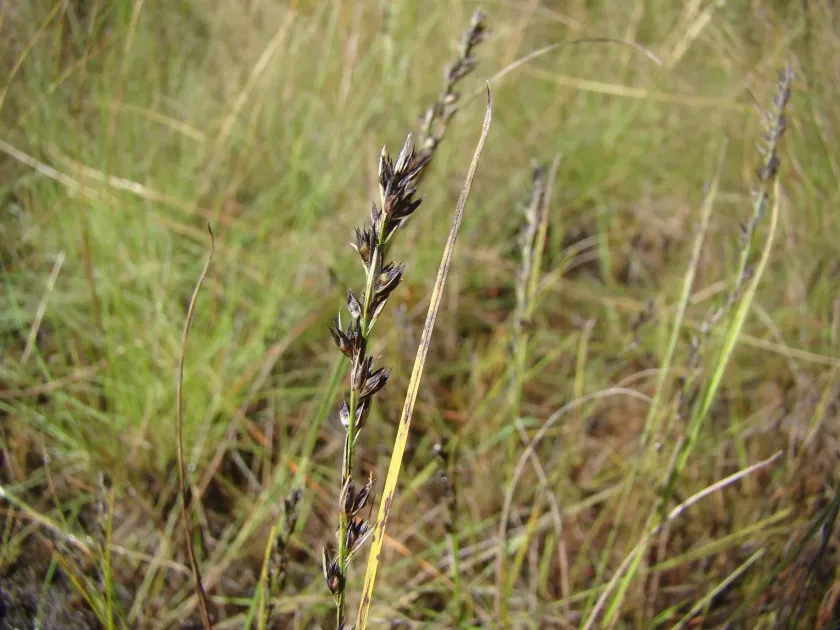
Description
Growing requirements
Scleria pergracilis is a notable member of the Cyperaceae family, often referred to as sedges. This annual herbaceous plant is primarily found in tropical regions, extending its range across parts of Africa, Asia, and northern Australia, where it thrives in specific ecological niches.
The plant is biologically adapted to wetland environments, favoring seasonally flooded grasslands and marshy habitats. It requires high moisture levels throughout its life cycle to maintain turgidity and support its slender, upright growth habit, which typically reaches heights of up to 60 centimeters.
Environmental requirements for Scleria pergracilis include exposure to consistent sunlight and a stable substrate. The plant exhibits a high degree of resilience in soils that are acidic and poor in nutrients, making it a specialized colonizer of lands that are often unsuitable for conventional cereal crops.
From an agronomical perspective, this species is categorized as a niche plant rather than a major commercial crop. Its botanical structure, featuring narrow leaves and clustered inflorescences, allows it to compete effectively in habitats where water saturation prevents the establishment of deep-rooted woody vegetation.
Cultivation of this species generally involves mimicking its natural wetland conditions. While it is not typically harvested for food, it serves a vital role in ecological land management, particularly in stabilizing soils in tropical zones susceptible to seasonal flooding and waterlogging issues.