
Scleria mikawana
Scleria mikawana
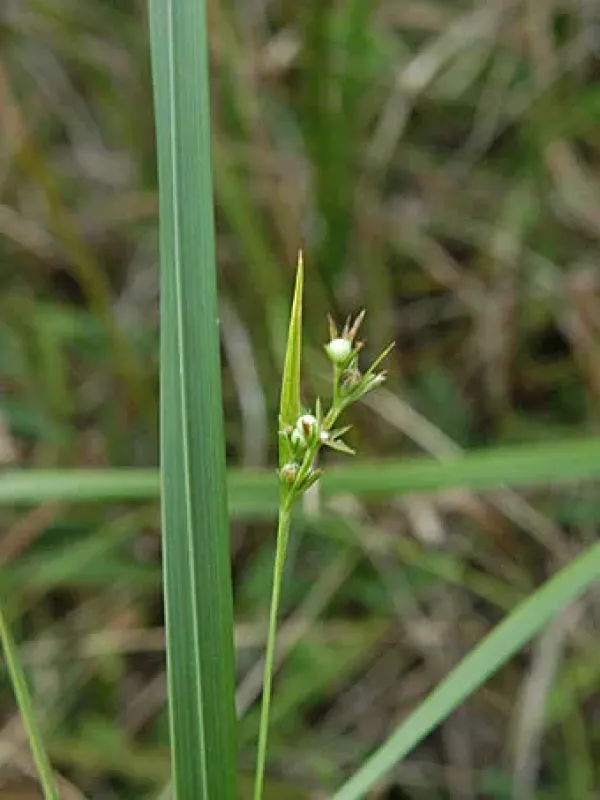
Description
Growing requirements
Scleria mikawana is a perennial herbaceous plant belonging to the Cyperaceae family. It is typically found in tropical and subtropical regions of Asia, specifically in habitats that require consistent moisture such as wetlands, riverbanks, and swampy areas.
To cultivate this plant successfully, the primary requirement is a stable, moist soil environment. It thrives in conditions that mimic tropical wetlands, necessitating a high water table and consistent humidity levels throughout the growing season to ensure healthy development.
Temperature plays a crucial role in the lifecycle of this crop. The optimal growth performance is achieved within a temperature range of 22 to 28 degrees Celsius. Exposure to frost or prolonged cool weather below 10 degrees Celsius is detrimental and often leads to stunted growth or total failure.
The soil substrate should be nutrient-rich with a slightly acidic to neutral pH level. Sandy loams that possess adequate water retention capacity without becoming waterlogged are ideal. Proper soil preparation before sowing significantly enhances the plant's establishment and subsequent vitality.
Agronomic practices include ensuring sufficient solar radiation, as the plant is heliophilous and performs poorly under shade. Regular monitoring of growth stages and maintaining appropriate plant density are essential to prevent excessive competition for light and nutrients among individual plants.
Main diseases and pests
The main threats to Scleria mikawana include fungal pathogens that exploit the humid environment required for the plant's growth. Root and crown rots are the most common and damaging issues, often caused by poor drainage and excessive plant density during peak growth periods.
Pests such as stem-boring insects and nematodes pose significant challenges to productivity. These pests damage the vascular tissues of the plant, hindering nutrient transport and significantly weakening the structure, which in turn leads to a substantial decline in overall yield.
Effective management strategies rely on the implementation of strict crop rotation programs and the use of healthy, pathogen-free planting material. Proper sanitation, including the prompt removal of decaying vegetative waste, is vital for minimizing the risks of disease transmission.
Integrated pest management (IPM) protocols involve the use of biological control agents and localized application of pesticides only when necessary. Regular inspections are necessary to identify early symptoms of damage, allowing for targeted intervention before large-scale outbreaks occur.
Maintaining a balanced nutritional status of the soil via controlled fertilization helps the plant develop a robust natural resistance to environmental stress and minor pest infestations. Consistency in environmental management is the best defense against long-term cultivation risks.