
Scleria microcarpa
Scleria microcarpa
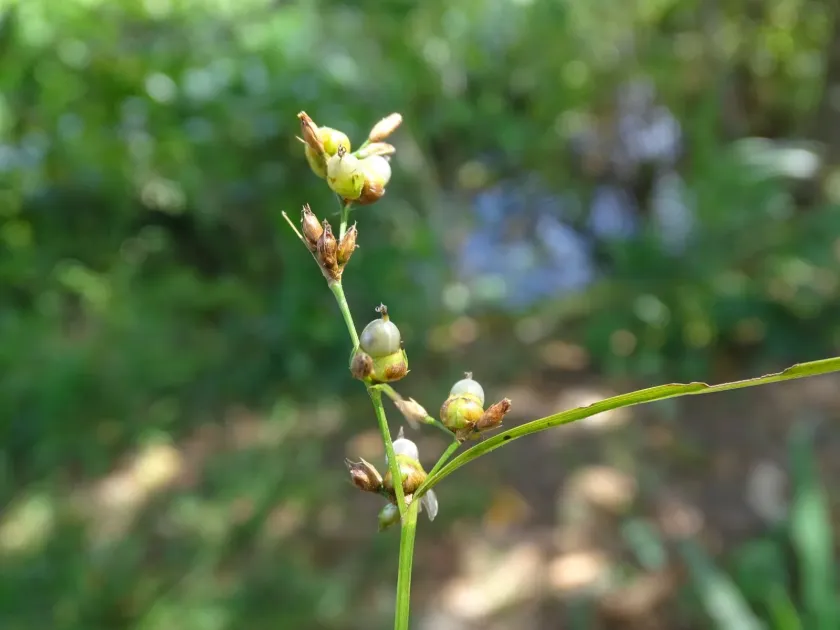
Description
Growing requirements
Scleria microcarpa is a perennial herbaceous plant belonging to the Cyperaceae (sedge) family. This species is a classic representative of tropical flora and thrives primarily in humid, wetland environments.
In its natural habitat, the plant is commonly found across the tropical regions of Central and South America, as well as throughout the Caribbean islands. It shows strong adaptability to open marshy areas, wetlands, and forest margins.
The crop demands high atmospheric humidity and consistently moist soil for optimal growth. It prefers sunny or partially shaded locations where precipitation levels remain high throughout the active growing season.
While the plant is relatively tolerant to various soil types, it performs best in acidic, swampy, or well-drained but permanently damp substrates. It is capable of withstanding temporary inundation of its root system.
Botanically, the species is defined by its triangular stems, which are characteristic of sedges, and the production of small, distinct nutlets. Its rhizomatous root system allows it to spread rapidly across its colonized range.
Main diseases and pests
In the wild, Scleria microcarpa rarely suffers from significant pest infestations due to its high natural resistance to local insects. The primary threat comes from fungal infections that thrive in conditions of stagnant water and poor air circulation.
When grown in cultivation, the plant may be susceptible to root rot, often triggered by soil compaction or poor drainage. Maintaining proper soil water movement is the most effective preventative measure.
Weed competition can inhibit young seedlings, making regular monitoring of field cleanliness essential during the early stages of development. Manual weeding remains the most effective method for small-scale cultivation.
Leaf-eating insects rarely cause serious damage because the leaves are rigid and contain a high concentration of phytoliths, making them unpalatable to many larval species.
The overall phytosanitary status remains stable as long as light requirements are met and sharp temperature fluctuations, which are critical for tropical sedges, are avoided.