
Scleria mackaviensis
Scleria mackaviensis
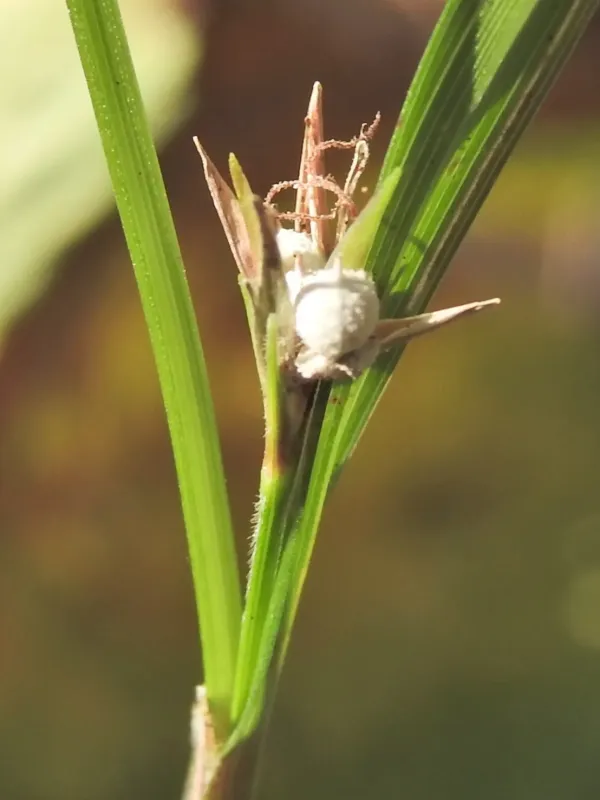
Description
Growing requirements
Scleria mackaviensis belongs to the Cyperaceae family, commonly known as sedges. This perennial herb is native to tropical wetlands, naturally inhabiting areas with high groundwater levels and high atmospheric humidity.
The plant is distinguished by a rhizomatous root system adapted for existence in anaerobic or semi-anaerobic soil conditions. It shows significant efficiency in nutrient uptake from saturated tropical soils, contributing to its rapid biomass accumulation in favorable environments.
Environmental requirements include a consistent temperature range between 22 and 30 degrees Celsius. The crop is highly sensitive to frost and sudden cooling, which can permanently damage the vegetative tissue and halt the metabolic activity of the plant.
Soil quality is paramount, with a preference for slightly acidic, organic-rich substrates. The plant thrives when it receives adequate moisture throughout the growing season, as drought stress negatively impacts both stem growth and flowering frequency.
In terms of agricultural utility, Scleria mackaviensis is studied for its ability to produce biomass in areas unsuitable for traditional grain crops. It serves as a vital component in local ecological management and potential forage production for specific herbivorous livestock species.
Main diseases and pests
Pathogenic fungi present the primary threat to the stability of Scleria mackaviensis stands, particularly in conditions of poor air circulation and high stagnant moisture. These fungi can cause foliar blights that inhibit plant vigor.
Soil-dwelling larvae and insects constitute a significant pest group, feeding on the underground rhizomes. Such damage often leads to secondary infections and systemic weakness, severely reducing the regenerative capacity of the plants.
Nematode infestations represent a persistent problem in intensive cultivation scenarios. These organisms disrupt the root functions, leading to chlorosis and stunted growth, which complicates the uniform development of the crop.
Weed competition is particularly aggressive during the establishment phase, as the plant grows relatively slowly at the start. Without proper intervention to control invasive grasses, the stand can be overtaken by more robust competitors.
Effective management requires integrated strategies including proper drainage maintenance and density control. By ensuring a balance in soil moisture and optimizing nutrient levels, growers can minimize the impact of biotic stresses on the crop yield.