
Scleria lithosperma
Scleria lithosperma
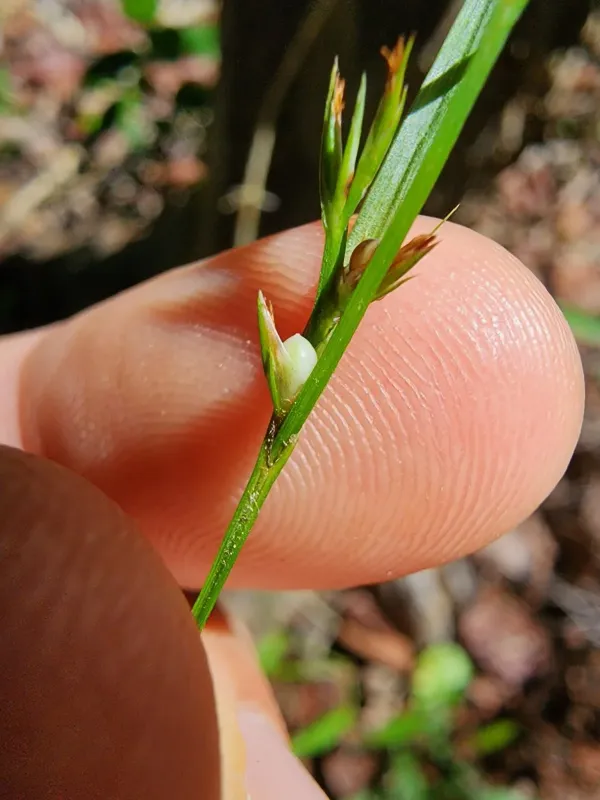
Description
Sowing dates
Scleria lithosperma, commonly known as stone-seeded nutrush, is a perennial plant of the Cyperaceae family that thrives in diverse tropical environments.
When cultivated, the sowing process is typically timed to coincide with the beginning of the rainy season to allow for rapid seedling establishment.
The seeds should be sown in a well-draining, loose soil mixture to prevent moisture-related issues that could inhibit the germination process.
Due to the small size of the seeds, they should be placed at a shallow depth, covered only lightly with fine soil to ensure proper exposure to indirect light.
Maintaining a stable ambient temperature is crucial during the germination phase to ensure a high percentage of successful seedling emergence.
Growing requirements
This species requires high temperatures throughout its lifecycle, flourishing in environments that consistently stay above 20 degrees Celsius.
The plant prefers sandy, mineral-rich soils that offer excellent drainage, as waterlogging is the primary limiting factor for healthy root development.
While it is quite tolerant of varying light conditions, optimal biomass production occurs in areas receiving abundant, filtered sunlight throughout the day.
Humidity management is essential; the plant requires a humid atmosphere to mirror its natural habitat while maintaining adequate airflow around the foliage.
Proper soil pH is important, with the plant showing a preference for slightly acidic to neutral soil profiles which support nutrient uptake.
Yield
Yield metrics for Scleria lithosperma vary based on the specific end-use, whether for biomass production or seed harvesting for specific purposes.
In managed agricultural plots, effective plant density and irrigation management are the primary drivers of increased crop output per unit area.
Successive harvesting cycles are possible in regions with long growing seasons, provided that the plants have sufficient recovery time between cuttings.
The quantity of seed produced is influenced by the pollination success rates, which can be improved by ensuring healthy populations of local pollinators.
Field trials suggest that yield can be maximized by integrating specific soil amendments that improve the structure and moisture retention of the planting site.
Main diseases and pests
Scleria lithosperma is naturally robust, but poor field management can lead to the proliferation of pathogenic fungi within the root zone.
Insect pests such as leaf-eating caterpillars can cause significant damage to the plant if infestations are not detected and managed early in the season.
Weed competition in the early growth stages is a significant threat that can outcompete the slower-growing seedlings for nutrients and sunlight.
Integrated pest management strategies are recommended, focusing on maintaining strong plant health to naturally resist common environmental stressors.
Proper sanitation of tools and equipment is necessary to prevent the mechanical transmission of soil-borne pathogens across the planting areas.
Harvesting
Harvesting operations should be timed precisely with the maturation of the seed heads to minimize loss due to natural shedding or shattering.
Manual harvesting remains the most effective method for high-quality seed collection, as it allows for the selection of fully ripe specimens.
For biomass production, the plants should be mown at peak vegetative growth to ensure the material remains soft and easy to process for industrial use.
Post-harvest drying must be conducted in an environment with high air exchange to remove moisture quickly and maintain the stability of the plant material.
Final processing involves grading the product based on purity and moisture content to ensure it meets the required standards for storage or distribution.