
Scleria foliosa
Scleria foliosa
Description
Growing requirements
Scleria foliosa is a perennial herbaceous plant belonging to the Cyperaceae family. It is typically found in wetland ecosystems, tropical marshes, and along the edges of permanent bodies of water where soil moisture remains consistently high.
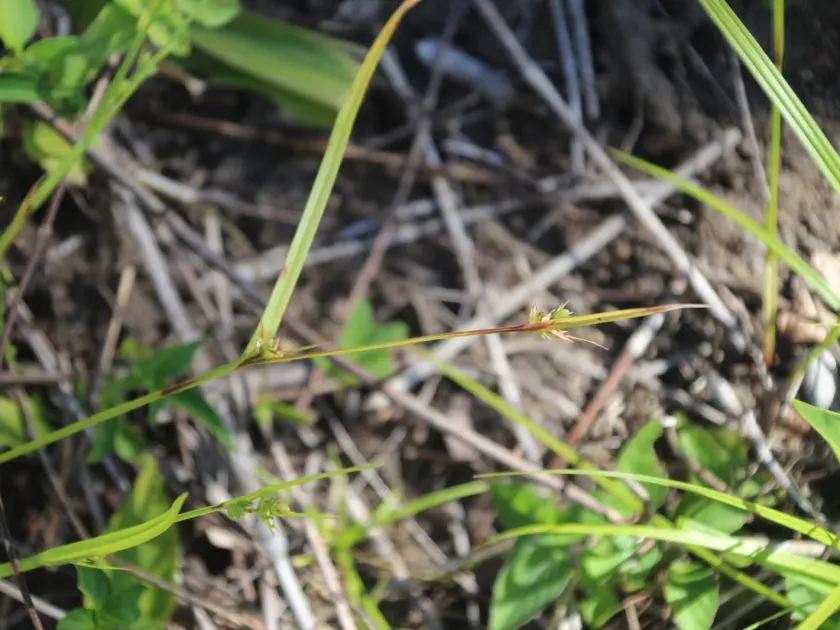
Botanically, this species is defined by its leafy appearance, which distinguishes it from many other sedges. Its stems are triangular, and it produces small, clustered spikelets, which are characteristic features of the Scleria genus.
The plant thrives in soil conditions that are rich in organic matter, such as peat or mucky substrates. It requires abundant sunlight to support its vigorous vegetative growth and is highly sensitive to shade, which can significantly limit its biomass production.
Climatic requirements are focused on warm, humid environments. The species is not frost-tolerant and requires stable temperatures, ideally staying well above freezing, to maintain its active physiological functions throughout the growing cycle.
Economically, Scleria foliosa serves as a habitat-stabilizing plant in wetlands. In some regions, the fibrous stems are harvested for traditional crafting, weaving, and decorative purposes, highlighting its utility in local agricultural practices.
Main diseases and pests
Common plant threats include fungal pathogens such as leaf spot diseases, which proliferate in stagnant, overly humid conditions. Poor airflow around the plant canopy significantly increases the susceptibility of the crop to these infections.
Insects, particularly those adapted to wetland flora, can cause damage to the foliage. Larvae of certain moth species may graze on the leaves, leading to reduced photosynthetic capacity and potential entry points for bacteria.
Nutrient deficiencies often manifest as chlorosis or stunted growth, particularly when the water chemistry changes drastically. Monitoring the pH and mineral content of the water is essential for successful cultivation management.
Disease management strategies rely primarily on cultural practices, such as ensuring adequate plant spacing and removing decaying organic matter from the cultivation area to prevent the buildup of inoculum.
Integrated pest management (IPM) is the preferred approach, focusing on maintaining a balanced environment and utilizing biological agents where necessary, while minimizing the use of synthetic pesticides to protect the local aquatic ecosystem.