
Scleria cyperina
Scleria cyperina
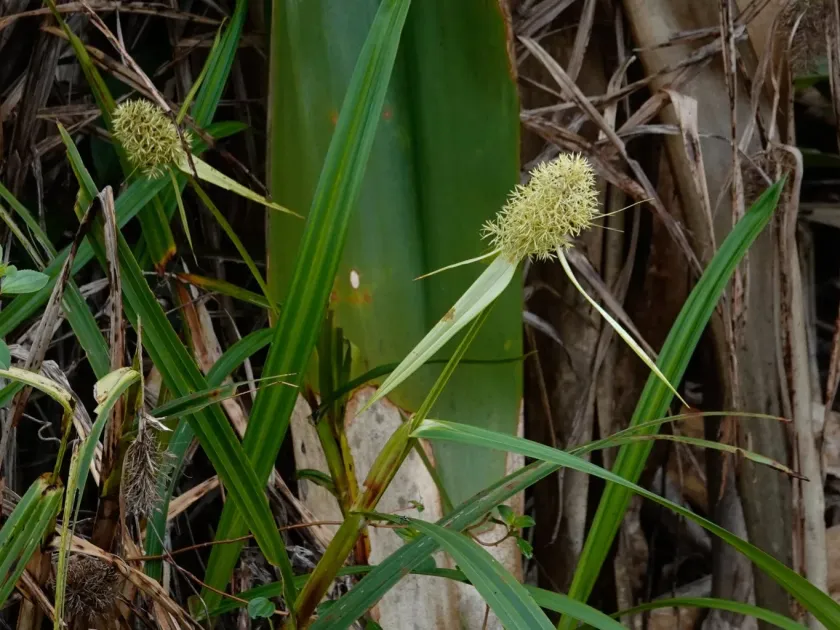
Description
Growing requirements
Scleria cyperina is a perennial herbaceous plant belonging to the Cyperaceae family. It is recognized for its unique morphological structure, which is typical for sedges, and it plays an essential role in the tropical landscapes where it naturally occurs.
The native range of this species is primarily concentrated in African regions. It thrives in environments characterized by high humidity, such as forest margins, wet savannas, and areas subject to seasonal flooding, showcasing a high degree of ecological plasticity in water management.
Botanically, Scleria cyperina is identified by its triquetrous (three-angled) stems and tough, narrow leaves. The plant exhibits a robust root system, which allows it to stabilize soil and survive in competitive environments where resources like sunlight and nutrients are frequently partitioned.
Regarding environmental needs, the plant requires a warm, tropical climate and consistent soil moisture. It is particularly sensitive to frost and extreme cold, meaning its distribution is strictly limited to frost-free zones where temperatures remain stable throughout the entire year.
While not a primary commercial crop, Scleria cyperina is of significant interest in ecological research. Its ability to colonize degraded tropical lands makes it a subject of interest for soil conservation efforts and studies concerning the restoration of native sedge-dominated habitats.