
Schisandra propinqua
Schisandra propinqua
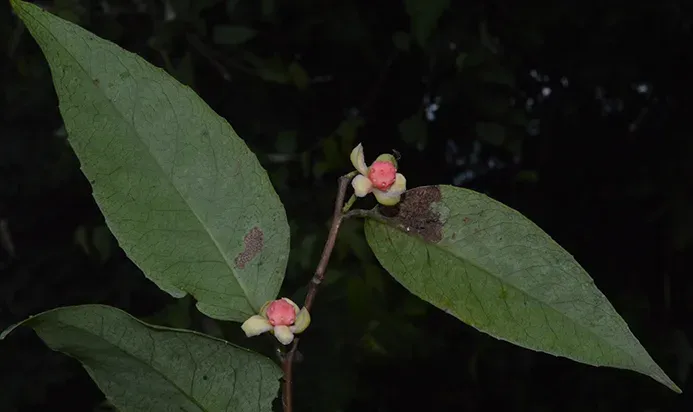
Description
Sowing dates
Schisandra propinqua is a woody, perennial climbing vine belonging to the Schisandraceae family. This species is gaining interest for its potential in both horticultural and medicinal applications due to its unique growth habit.
Propagation is primarily achieved through seeds or stem cuttings. Seeds require a mandatory period of stratification at low temperatures to break dormancy and ensure uniform germination in the nursery.
Sowing should be performed in a well-drained, fertile soil mix. Seeds must be covered with a very thin layer of substrate to prevent them from drying out while ensuring enough light reaches the surface.
Seedlings need to be transplanted with care, as their root systems are delicate. Moving them to larger containers before final field planting helps in developing a robust root structure.
When planting in the field, providing a sturdy support system such as a trellis or a wall is essential, as the vine naturally seeks vertical growth to reach optimal light levels.
Growing requirements
The plant thrives in moist, humus-rich soils with a slightly acidic to neutral pH. Proper soil structure is vital to allow deep root penetration and healthy development of the vine.
Schisandra propinqua prefers locations with partial shade, particularly in climates with hot summers. Protecting the plant from harsh afternoon sun is crucial to prevent leaf scorching.
Regular irrigation is necessary to maintain consistent soil moisture, especially during the early years of establishment. However, overwatering must be avoided to prevent root rot.
The vine benefits from a sheltered position where it is protected from cold, desiccating winds, which can damage new shoots during the sensitive spring growth period.
Balanced fertilization throughout the growing season, focusing on organic matter, supports vigorous vegetative growth and encourages the development of healthy buds for the following year.
Main diseases and pests
Fungal diseases, including powdery mildew and leaf spot, are the most significant threats to Schisandra propinqua. Maintaining good air circulation within the vine foliage is key to disease prevention.
Pests such as aphids and scale insects can infest the plant, draining sap and weakening the vines. Early identification and manual removal or eco-friendly soap sprays can mitigate these issues.
Poor soil drainage can lead to root system issues, making the plant susceptible to soil-borne pathogens. Ensuring the planting site has excellent drainage is a primary preventive measure.
Chlorosis, often caused by nutrient deficiencies or incorrect soil pH, can inhibit the plant's photosynthetic capacity. Regular monitoring of leaf color allows for timely corrective fertilization.
Winter damage may occur in colder regions if the vines are not adequately protected, leading to shoot dieback. Wrapping young plants in protective materials can help them survive harsh winters.
Harvesting
Harvesting usually occurs in late summer or early autumn when the berries are fully mature and develop their characteristic color. The timing is crucial for maximizing the active compound content.
Berries should be harvested with care, using shears to prevent damaging the fragile stems. The fruit is relatively perishable, requiring prompt handling immediately after picking.
Post-harvest processing involves drying the fruit to preserve its bioactive ingredients. Controlled drying temperatures are essential to maintain the quality of the raw material.
The plant is highly valued for its medicinal properties, often used in extracts and tinctures. Its historical and traditional use highlights its importance as a specialized crop.
Cleaning and sorting the harvest ensures that only high-quality, mature berries enter the processing stage, guaranteeing the consistency and efficacy of the final product.