
Schisandra glabra
Schisandra glabra
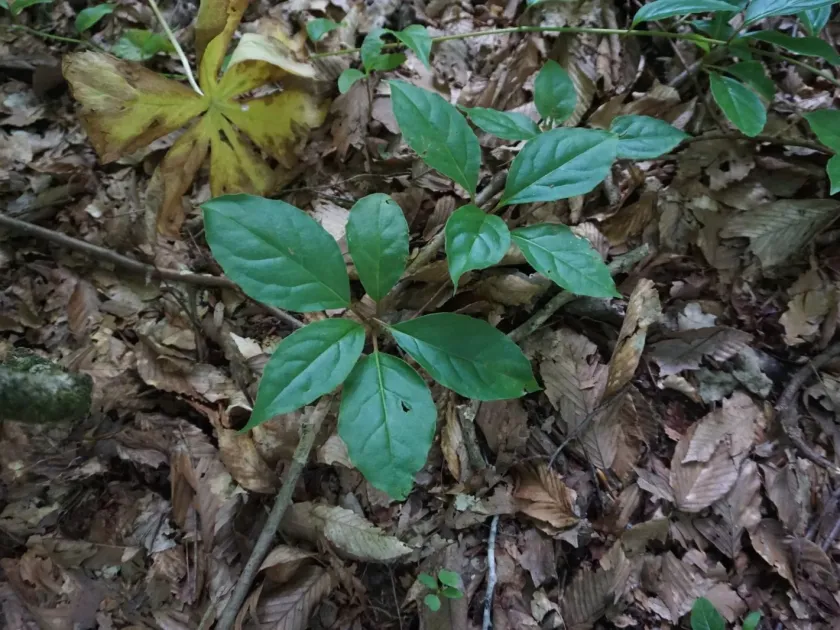
Description
Sowing dates
Schisandra glabra, a member of the Schisandraceae family, is a climbing vine that is primarily propagated vegetatively through layering or stem cuttings. This method ensures that the young plants inherit the desired traits of the parent vine.
Seed propagation is also possible but requires a cold stratification period of several months to overcome dormancy. Seeds are sown in well-prepared seedling beds, typically during the early spring or late autumn.
Proper site selection is vital for this species. It performs best in areas that offer partial shade, mimicking its natural forest environment and protecting the delicate foliage from intense midday heat.
When planting, it is necessary to maintain a spacing of at least 1.5 meters between vines to allow for adequate airflow and to prevent the spread of soil-borne pathogens across the root zones.
The root system of Schisandra glabra is shallow and sensitive to disturbance. Care should be taken during transplantation to avoid burying the root collar, ensuring it remains flush with the soil surface.
Growing requirements
This crop requires consistent moisture and high humidity levels. Originating from the temperate forests of North America, it thrives in environments that avoid extreme fluctuations in water availability.
Soil quality must be high: light, fertile, and rich in organic matter. A slightly acidic to neutral pH level is ideal for nutrient uptake, and the soil must be well-drained to prevent root rot.
As a climbing vine, Schisandra glabra necessitates the installation of sturdy trellises or vertical structures. These supports should be at least two meters high to facilitate optimal growth and sunlight exposure.
Regular mulching with organic materials like wood chips or compost is highly recommended. Mulch helps to conserve moisture, suppresses weed growth, and maintains a stable soil temperature.
While adapted to temperate climates, the vine should be protected from harsh, desiccating winds, which can damage leaves and reduce the plant's overall vigor during the growing season.
Main diseases and pests
The plant is susceptible to various fungal diseases, particularly powdery mildew, which can develop rapidly in conditions of poor ventilation or excessive atmospheric moisture.
Insect pests, such as aphids and scale insects, may infest the stems and leaves. Regular monitoring of the underside of the foliage and stems is essential for early detection and mitigation.
Sanitary management, including the removal of dead or crossing branches, is a crucial cultural practice that promotes good airflow and reduces the risk of fungal infections within the vine canopy.
Integrated pest management (IPM) strategies, including the use of horticultural oils or biological controls, are preferred over broad-spectrum pesticides to preserve the quality of the harvested berries.
Stressed plants, caused by drought or nutrient deficiencies, are significantly more vulnerable to pest attacks, highlighting the importance of a balanced fertilization and irrigation program.
Harvesting
The harvest period occurs in late summer or early autumn. Berries are considered ripe when they turn a deep, vibrant red and the fruit texture softens, indicating peak maturity.
Harvesting should be done by carefully picking the clusters of berries. The fruit is relatively fragile, and damage during harvesting can lead to rapid oxidation and degradation of the berry's quality.
Immediately following the harvest, berries should be kept in a cool environment. Processing, such as drying, freezing, or preparing extracts, should occur as quickly as possible to maintain potency.
Yield capacity tends to increase as the vine matures and develops a more extensive root system. Maintaining proper vertical growth through training is essential for high-quality fruit production.
Strategic pruning post-harvest is recommended to manage the vine’s biomass, stimulate bud formation for the following season, and remove any aged stems that no longer contribute to fruit yields.