
Henry's Schisandra
Schisandra henryi
Description
Growing requirements
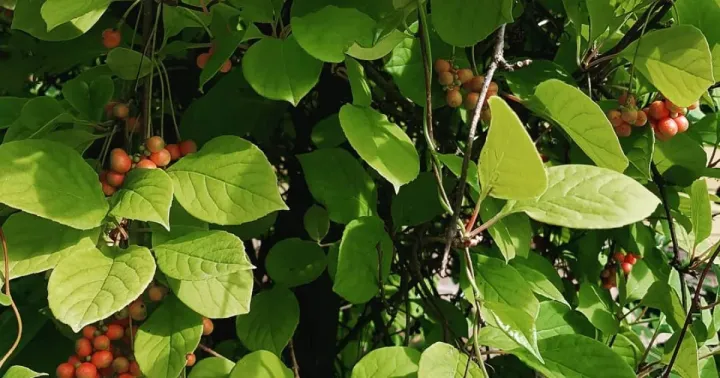
Henry's Schisandra (Schisandra henryi) is a deciduous woody vine belonging to the Schisandraceae family. Native to the mountain forests of China, this species is closely related to the better-known Schisandra chinensis but is distinguished by its larger, pubescent leaves.
The plant thrives in cool, moist, and shaded environments. In a garden setting, it requires a location protected from harsh midday sun and strong, drying winds, which can easily damage the delicate foliage of the young vine.
Soil requirements for this species are specific: it demands rich, humus-filled, well-draining soil. It does not tolerate waterlogging, as the root system is sensitive to suffocation in heavy, compacted soils where moisture lingers too long.
Agricultural management must prioritize vertical support systems. As a climbing plant, Henry's Schisandra relies on trellises, fences, or pergolas to reach its full growth potential and ensure proper air circulation throughout the vine.
The climate should ideally be temperate with high atmospheric humidity. During dry spells, growers must provide supplemental irrigation to maintain the moisture levels necessary for robust vegetative growth and subsequent fruit development.
Yield
Henry's Schisandra is primarily cultivated for its pharmaceutical potential and aesthetic appeal. The berries are valued for their bioactive compounds, which are extracted for use in herbal medicine as tonics and adaptogens.
Harvesting involves collecting the drooping clusters of red berries once they reach full maturity. Because the fruit is delicate, hand-harvesting is necessary to prevent bruising and to maintain the quality of the raw material.
Beyond its medicinal use, the plant is a popular choice for vertical gardening. It is highly effective at covering unsightly walls or creating natural privacy screens in backyard environments due to its vigorous, trailing habit.
Productivity is enhanced through annual pruning techniques. By thinning out unproductive or overly dense branches, the plant can focus its energy on fruit-bearing spurs, leading to a more consistent harvest year after year.
- Regular organic mulching to retain soil moisture.
- Balanced NPK fertilization during the spring.
- Monitoring soil pH levels to maintain acidity.
- Training new shoots onto the trellis structures.
Main diseases and pests
Fungal pathogens represent the most significant threat to the health of the vine. In conditions with poor airflow or excessive rain, leaves may develop powdery mildew, which can significantly inhibit the plant's metabolic processes.
Insect pests, including aphids and various leaf-eating caterpillars, can impact the growth rate during the spring and summer months. Integrated pest management strategies, focusing on biological controls, are recommended for sustainable production.
Root system health is vital; excessive moisture can lead to root rot, a disease that is difficult to reverse once symptoms appear in the foliage. Preventive measures include choosing well-drained site locations and avoiding overwatering.
Winter hardiness may be a concern in cooler zones, where sudden temperature drops can damage exposed branches. Providing a thick layer of mulch around the base of the plant helps protect the root zone from severe freeze-thaw cycles.
Nutrient deficiencies, specifically manifesting as interveinal chlorosis, can occur if the soil is too alkaline. Regular soil testing and the application of micronutrient foliar sprays can help maintain the deep green color of the leaves.