
Schisandra glaucescens
Schisandra glaucescens
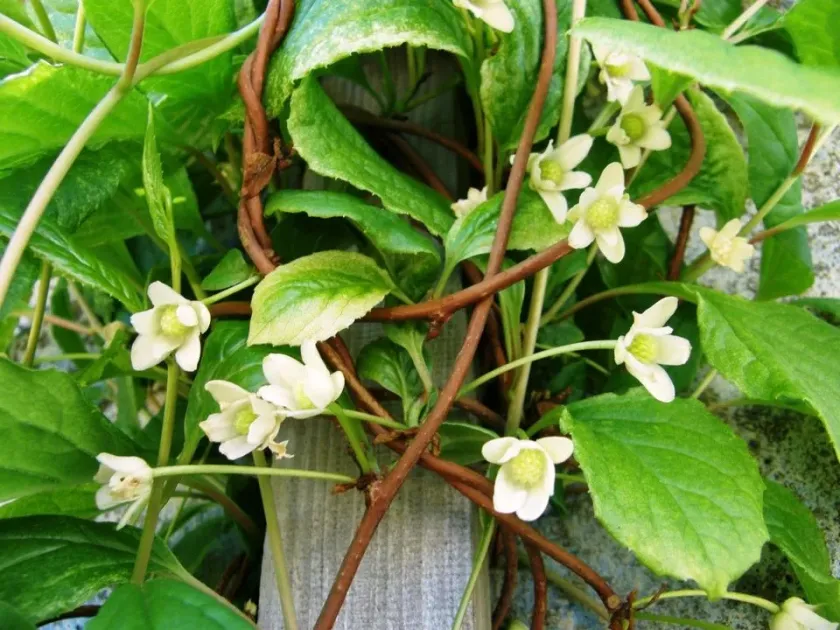
Description
Sowing dates
Propagation of Schisandra glaucescens is primarily achieved through seeds or vegetative methods such as layering and root suckers. Seeds possess deep dormancy and require a stratification period of 2–3 months at low temperatures to ensure successful germination in the spring.
Sowing should be performed in well-prepared soil during the autumn for natural stratification or in early spring after pre-treatment. Due to the low natural germination rate, using high-quality, freshly harvested seeds is highly recommended for professional nurseries.
When starting from seedlings, it is crucial to provide a controlled environment with stable temperatures and indirect lighting. Young plants are sensitive to direct sunlight and must be shaded during their first year to prevent desiccation and sunburn.
Vegetative propagation is preferred for maintaining genetic consistency and shortening the time to the first harvest. Layering involves pinning down healthy shoots into the soil during spring, allowing them to root before separating them from the parent vine.
Transplanting to a permanent location should occur when the plants are 2–3 years old. The planting density must allow for sufficient space, typically spacing vines about 1.5 meters apart to facilitate proper air circulation and future harvest activities.
Growing requirements
Schisandra glaucescens belongs to the Schisandraceae family and is a woody vine adapted to temperate and subtropical climates. It thrives in fertile, well-draining soils with high organic matter content and a slightly acidic to neutral pH balance.
The plant requires a climbing support system, such as a trellis or pergola, to thrive. In nature, it grows under forest canopies, so in a garden setting, it prefers a site that offers partial shade, especially protecting the root zone from extreme heat.
Water management is critical for this species; it requires consistent soil moisture but cannot tolerate waterlogged conditions. Drip irrigation or regular deep watering during dry spells helps the vine maintain vigor and prevents premature leaf drop.
Climatic requirements include protection from harsh, drying winds and late spring frosts, which can damage emerging flower buds. In areas with long, hot summers, mulching around the base is essential to keep the root system cool and retain moisture.
Regular maintenance involves light pruning to remove dead or weak wood and to shape the vine for better exposure to sunlight. Since roots are shallow, cultivation of the soil surface around the base should be avoided to prevent mechanical damage.
Yield
Fruit production typically begins 4–5 years after planting when grown from seed. Yield is highly dependent on the amount of light the vine receives; vines trained on vertical structures with adequate light exposure generally produce more fruit.
A mature, healthy vine can yield between 1 and 3 kilograms of berries per season. The fruits are borne in pendulous clusters that ripen progressively, often requiring multiple picking passes throughout the harvesting period.
To maximize yields, it is recommended to apply a balanced fertilizer regimen, focusing on potassium and phosphorus during the growth phase. Organic mulch application contributes to soil health and nutrient availability over the long term.
The yield can be influenced by the presence of pollinators. Although some plants may be partially self-fertile, cross-pollination between different individuals often results in larger, more uniform berry clusters and higher overall productivity.
Yield stability is achieved by keeping the vine healthy and free from competition. Thinning out overgrown vines ensures that the energy of the plant is directed toward fruit production rather than excessive vegetative growth.
Main diseases and pests
The primary threats to Schisandra glaucescens include fungal diseases, particularly in humid and poorly ventilated environments. Powdery mildew is the most common issue, appearing as a white dusting on foliage, which can be managed by improving airflow.
Leaf spot diseases may occur during wet summers. Preventive measures include proper spacing, avoiding overhead irrigation that wets the leaves, and immediately removing and destroying any infected plant tissue to prevent disease spread.
Pests like aphids and spider mites can attack the succulent new growth of the vine. Regular monitoring of the underside of leaves is necessary to catch infestations early, allowing for effective control using mild biological agents or insecticidal soaps.
Root-related problems are generally caused by improper soil drainage. Ensuring that the soil is light and porous prevents rot. If a vine appears wilted despite adequate watering, it is essential to inspect the root zone for signs of distress.
Monitoring for signs of nutrient deficiency or physical injury is part of integrated pest management. Keeping the area under the vine clear of weeds helps reduce the reservoir for potential pests and diseases that could migrate to the host plant.
Harvesting
The harvest season for Schisandra glaucescens typically falls in late summer to early autumn. The berries are ready for picking when they turn a uniform, deep red color, indicating optimal ripeness and sugar development.
Berries should be harvested with their stalks intact to prevent the juice from leaking and to increase their shelf life. Careful handling is necessary to avoid bruising the delicate fruit, which can quickly lead to spoilage.
Once harvested, the fruits should be processed immediately. They can be dried for medicinal use in low-temperature dehydrators, ensuring that the active phytochemical compounds remain stable and potent for therapeutic applications.
If the berries are intended for fresh use or long-term preservation, freezing is an excellent option. Frozen berries maintain their nutritional integrity and can be used in syrups, tinctures, or infusions throughout the winter months.
Sorting during the harvest is crucial to maintain quality. Berries that appear damaged or overly soft should be separated from the main batch to prevent the development of mold, which can rapidly spread in stored produce.