
Schisandra grandiflora
Schisandra grandiflora
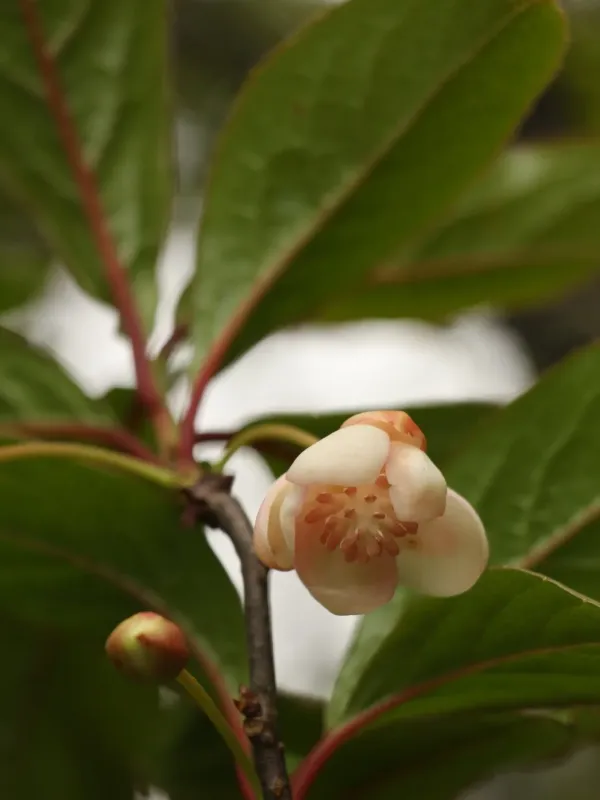
Description
Sowing dates
Sowing seeds of Schisandra grandiflora is most effective when done in late autumn, as the seeds require a prolonged period of stratification to break dormancy. Given the short shelf life of the seeds, using fresh material is critical for optimal germination rates.
For spring sowing, seeds must undergo cold stratification at temperatures between +1 and +5 degrees Celsius for 2–3 months. Seeds should be planted at a shallow depth of approximately 1–1.5 centimeters in well-draining soil.
Seedlings are typically transplanted to their permanent location at the age of 2–3 years. Spring planting is recommended to allow the root system to establish itself before the arrival of the harsh winter conditions.
The spacing between plants should be at least 1–1.5 meters when using a trellis system. This provides sufficient space for the vine to grow vertically and ensures proper air circulation around the foliage.
Consistent soil moisture must be maintained immediately after planting. Young vines are particularly vulnerable to drought, so applying a layer of organic mulch around the base is highly recommended.
Growing requirements
Schisandra grandiflora, belonging to the Schisandraceae family, is a vigorous deciduous vine native to the mountain forests of the Himalayas and surrounding Asian regions. It thrives in partially shaded environments protected from direct, intense sunlight.
The culture requires fertile, loose, and well-draining soil with a neutral to slightly acidic pH. Waterlogging is detrimental to the plant, as it causes root rot and poor development, making proper drainage essential.
The vine demands high atmospheric humidity. In drier inland climates, supplementary irrigation or misting systems may be necessary to support healthy growth and development during the vegetative phase.
A robust support system or trellis is mandatory for this species. As a climbing plant, it needs vertical surfaces to reach the light necessary for photosynthesis and to facilitate proper flowering and fruiting.
Fertilization should be applied throughout the growing season, using nitrogen-rich fertilizers in the spring and potash-heavy mixes in late summer to ensure proper wood maturation before the onset of dormancy.
Yield
The fruits of Schisandra grandiflora are juicy berries arranged in elongated spikes. These berries are highly valued for their unique flavor and pharmacological compounds, specifically lignans like schizandrin.
Yield depends significantly on the age of the vine and environmental conditions. Typically, a plant will begin to bear significant fruit clusters around 5–7 years after planting, provided it receives proper care.
Strategic pruning is essential to stimulate the formation of new fruit-bearing wood. By managing the vine’s canopy, growers can increase the number of fruit buds and improve the overall harvest quantity.
The medicinal value of the berries makes this crop a niche commodity for pharmaceutical industries and herbal medicine producers. Consistent yield is achieved through stable soil nutrient management and protection from weather extremes.
Frost protection during the blooming period is vital. Late spring frosts can damage flowers and ovaries, leading to significant yield losses if not managed with protective covers or localized heating.
Main diseases and pests
Schisandra grandiflora is susceptible to fungal diseases such as powdery mildew, which thrives in overcrowded plantings where air circulation is insufficient. Fungal infections can damage both leaves and young stems.
Anthracnose and various leaf spots are also common under humid, rainy conditions. Preventive measures include copper-based fungicides and rigorous sanitation, such as removing affected plant material.
Pests, particularly aphids and various leaf-eating insects, can stress the plant and reduce its vigor. Regular monitoring and the application of biological controls are recommended to mitigate these threats.
Good agricultural practices, such as weed management in the root zone and proper hydration, significantly bolster the vine's natural resistance to pests and diseases.
- Maintain sanitized pruning tools.
- Ensure proper plant spacing for airflow.
- Clear fallen leaves and debris in the autumn.
Harvesting
Harvesting is performed when the berries reach full maturity and display a bright red color. Timing is crucial, as the berries should be soft enough for quality but harvested before they become overly fragile.
The clusters are picked by hand using shears to avoid crushing individual berries. Rapid cooling or immediate processing is necessary after harvesting to maintain the integrity of the bioactive compounds.
The fruit can be consumed fresh, but for industrial use, it is usually dried or processed into extracts, tinctures, and juices. Proper drying techniques ensure the retention of medicinal potency.
During transport, it is important to avoid stacking large volumes of fruit, which could cause crushing and fermentation. Well-ventilated crates should be used to protect the harvest during shipping.
The harvest season generally falls between late summer and early autumn, depending on the geographical region's specific climate and the timing of the fruit's physiological maturity.