
Scapania undulata
Scapania undulata
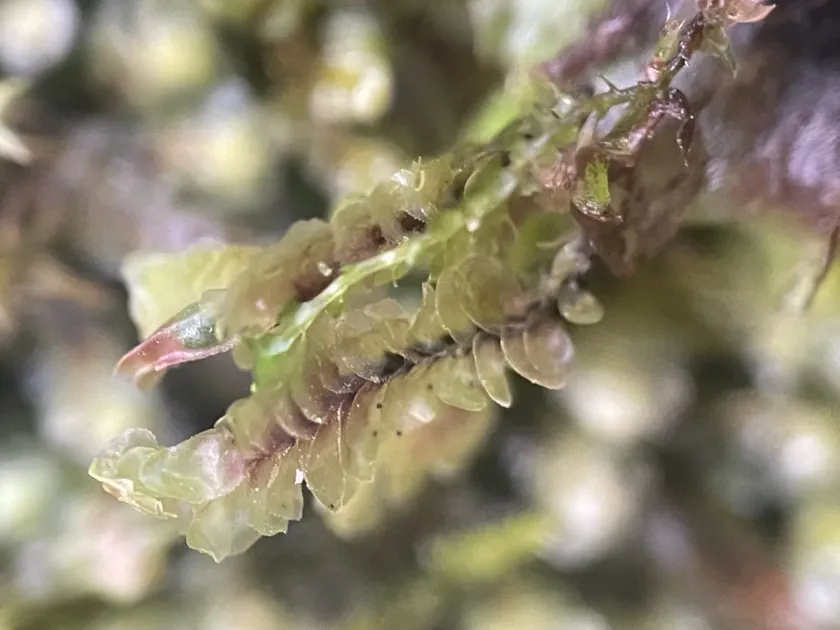
Description
Growing requirements
Scapania undulata is a species of liverwort belonging to the Scapaniaceae family. It is a non-vascular spore-producing plant, which distinguishes it from conventional agricultural crops cultivated for commercial food or fiber production.
The plant is widely distributed across temperate regions of the Northern Hemisphere. It typically thrives in aquatic or semi-aquatic habitats, such as the submerged rocks of mountain streams, waterfalls, and consistently wet forest banks.
Botanically, the species is defined by its leafy gametophyte structure. Its leaves are distinctly bilobed and arranged in two rows, creating a flattened, undulate appearance along the stem that is highly diagnostic for identification purposes.
The organism has strict requirements for environmental quality. It favors clean, cool, and well-oxygenated water with a slightly acidic pH level. It is highly sensitive to fluctuations in water availability and cannot survive in arid conditions.
In terms of human use, the plant serves as a vital tool in environmental science. It is widely recognized as an excellent bioindicator for water quality, helping researchers assess the health of river ecosystems and the presence of heavy metal pollutants.
Main diseases and pests
The primary threats to Scapania undulata include anthropogenic eutrophication of water bodies. Elevated levels of nitrates and phosphates promote the growth of algae, which effectively shade out and suffocate the liverwort colonies.
Hydrological modifications, such as the damming of streams or the diversion of water flow, pose a significant risk to its survival. The loss of consistent moisture levels rapidly leads to the desiccation and decay of the moss mats.