
Scapania curta
Scapania curta
Description
Growing requirements
Scapania curta is a species of liverwort belonging to the Scapaniaceae family. While not a commercial crop in the traditional agricultural sense, it is an essential component of bryophyte flora in northern and temperate regions.
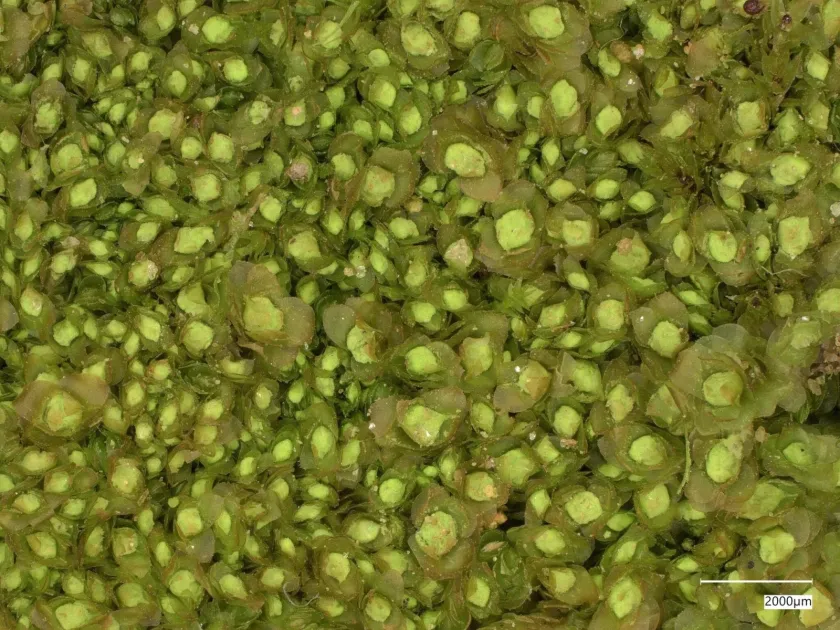
The botanical structure consists of delicate stems with distinctly bilobed leaves. The keel is typically prominent, and the dorsal lobe is significantly smaller than the ventral lobe, which is a key diagnostic feature for identification.
The species has a broad circumboreal distribution, thriving in cold to temperate climates. It is frequently observed across North America, Europe, and parts of Asia, often forming small patches on damp surfaces.
Optimal growth conditions involve acidic, moist, and often disturbed soils. It is commonly found on clay banks, along streams, and in shaded, damp woodland areas where moisture remains stable throughout the year.
There is no standard agricultural practice for cultivating Scapania curta. It acts as a pioneer species on bare soil, helping to prevent surface erosion and preparing the substrate for colonizing vascular plants in successional ecosystems.
Main diseases and pests
As a liverwort species, Scapania curta is immune to common agricultural pests but highly vulnerable to environmental degradation.
The primary threat is habitat loss due to land development, forest drainage, and changes in microclimatic conditions that lead to drying of its substrate.
Industrial pollution and the accumulation of pollutants in the soil represent significant risks, as bryophytes absorb nutrients and chemicals directly from the atmosphere and soil moisture.
The species lacks specialized pathogens; however, its reliance on stable moisture levels makes it susceptible to erratic weather patterns caused by climate change.
Competition from rapidly growing ruderal vascular plants can suppress Scapania populations when the soil surface becomes overly stable and nutrient-rich.