
Scapania irrigua
Scapania irrigua
Description
Growing requirements
Scapania irrigua is a species of liverwort belonging to the family Scapaniaceae. While it is not a cultivated agricultural crop, it is a significant member of the bryophyte community found in temperate ecosystems worldwide.
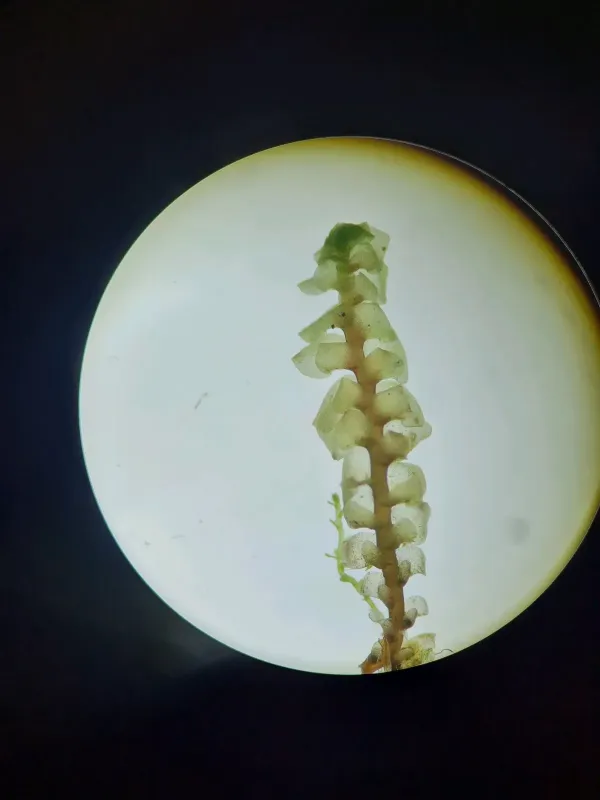
Botanically, it is defined by its prostrate, leafy stems. The leaves are distinctively two-lobed, with the keel being folded, which is a key diagnostic feature for identification among the Scapania genus in field conditions.
The plant is widely distributed across the Holarctic realm, thriving in northern temperate zones. It is commonly found in damp, shaded habitats such as stream banks, swampy forests, and acidic seepage areas.
The primary ecological requirement for Scapania irrigua is consistently high moisture levels. It favors moist, acidic substrates and is rarely found in dry, exposed, or highly alkaline soil environments.
From a biological standpoint, this species serves as a valuable indicator in environmental science. It helps researchers assess the stability of local wetland habitats and monitor the impacts of atmospheric or aquatic pollution on bryophyte biodiversity.