
Diplophyllum albicans
Diplophyllum albicans
Description
Growing requirements
Diplophyllum albicans is a species of liverwort belonging to the family Scapaniaceae. It is important to note that this organism is a wild bryophyte and not a cultivated agricultural crop, meaning it has no commercial production methods.
This species thrives in damp, shaded environments. It is commonly found in woodland habitats, often growing on moist soil, acidic rocks, or decaying logs where humidity levels remain consistently high throughout the year.
The geographic range of Diplophyllum albicans extends across temperate regions of the Northern Hemisphere. It serves as an ecological indicator, favoring stable microclimates found in undisturbed forests and near water bodies.
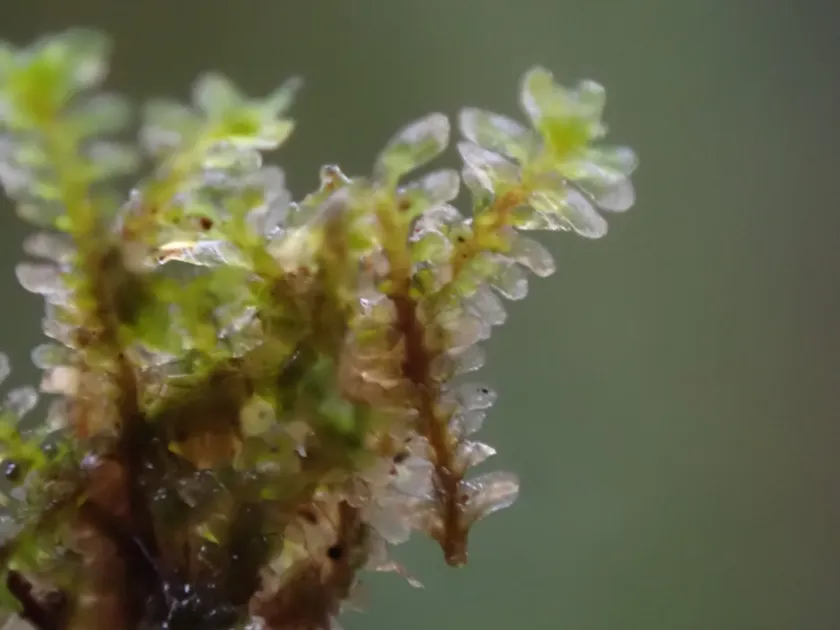
Botanically, the plant is characterized by its distinctively keeled leaves, which often appear pale or white at the fold. It reproduces via spores or by vegetative growth, forming low-lying, compact mats on its substrate.
In terms of agricultural utility, Diplophyllum albicans holds no economic value. There are no sowing, cultivation, or harvesting processes associated with this plant, as it functions strictly as a naturally occurring element of local biodiversity.