
Scapania gracilis
Scapania gracilis
Description
Growing requirements
Scapania gracilis is a species of liverwort belonging to the Scapaniaceae family. While not an agricultural crop, it is a significant element of natural forest ecosystems, primarily found in temperate oceanic climates.
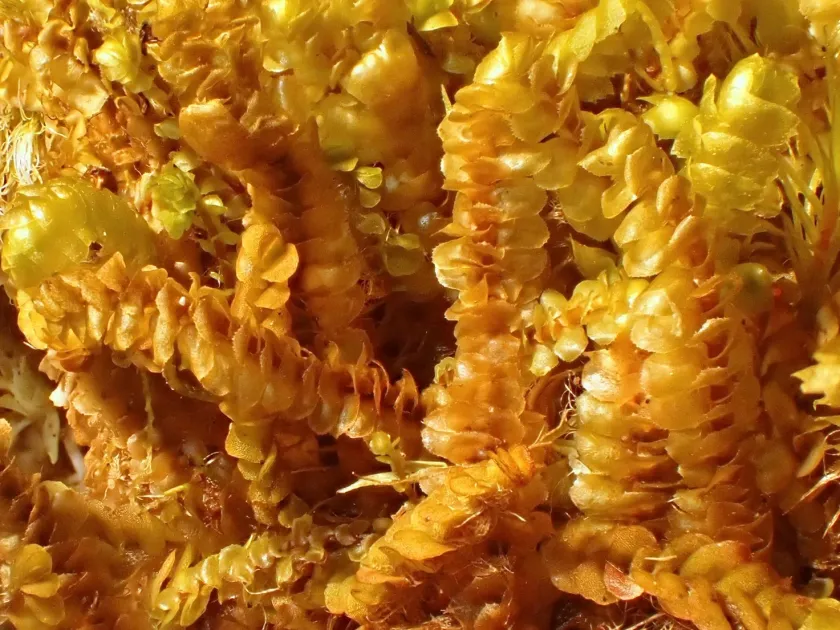
The morphology of this plant is distinct, characterized by leaves folded into two lobes, where the upper lobe is typically smaller than the lower one. This structural arrangement helps the moss manage water retention in damp environments.
Geographically, it is found in regions with high atmospheric humidity, particularly in Western Europe and along the Atlantic coast. It occupies specialized niches on moist rocks, cliff faces, and the bark of ancient trees.
The environmental requirements for growth are strict, including high air humidity and protection from direct sunlight. The plant thrives in habitats that are consistently cool, reflecting the stable conditions of its oceanic distribution.
In terms of management, this species is not cultivated for production. Ecological preservation efforts focus on maintaining canopy cover and preventing desiccation of its micro-habitats to support ongoing life cycles.
Main diseases and pests
The primary threat to Scapania gracilis is the alteration of forest microclimates, especially the drainage of moist habitats. Reduced humidity leads to rapid decline and the death of colonies due to desiccation.
Air pollution acts as a significant stressor for this bryophyte. As an epiphyte and a plant that relies on surface moisture absorption, it is highly sensitive to the presence of airborne toxins like sulfur dioxide.
Forestry practices, such as clear-cutting, represent a major risk by removing the shade that provides essential cooling and moisture-retaining conditions. This leads to increased exposure to damaging solar radiation.
Climate change trends, specifically the increase in frequency of prolonged dry spells, negatively impact the reproductive success and growth vigor of Scapania gracilis populations across its range.
While no major agricultural pests target this liverwort, the overall degradation of ecosystem health remains the critical factor threatening the long-term survival of this species in its natural habitat.