
Arends saxifrage
Saxifraga x arendsii Engl.
Description
Sowing dates
Propagation of Arends saxifrage from seeds is typically performed in late winter or early spring by sowing in specialized seed trays.
Since the seeds are extremely small, they should be surface-sown on moist substrate without covering them, using a plastic cover to maintain humidity.
The ideal germination temperature ranges between 18 and 20 degrees Celsius, with seedlings usually appearing within two to three weeks.
Once two true leaves have developed, the seedlings must be pricked out into individual pots to allow sufficient space for further root growth.
Final transplanting into the garden should occur in late spring or early summer, ensuring the plants are well-spaced to promote air circulation.
Growing requirements
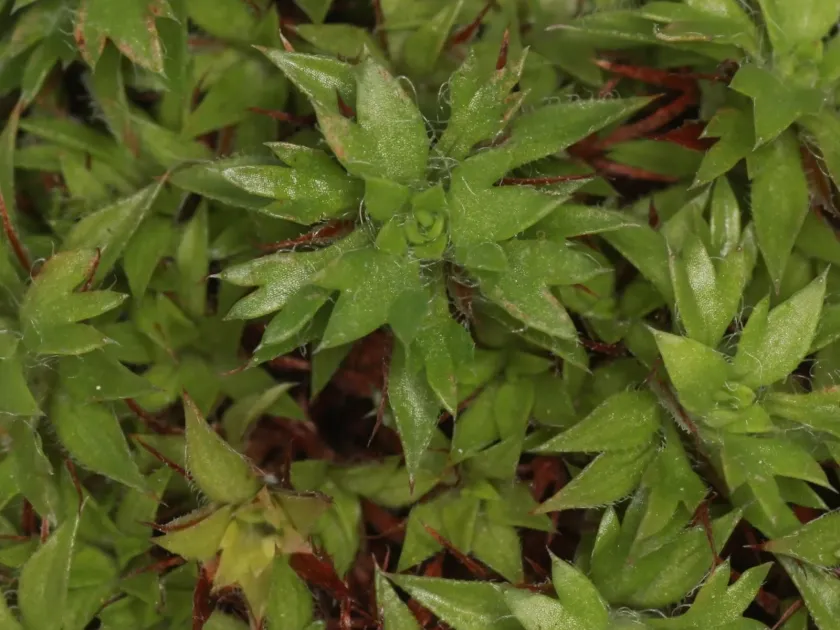
Belonging to the Saxifragaceae family, Arends saxifrage is a popular hybrid perennial known for its dense, moss-like foliage and colorful flowers.
This plant thrives in well-drained, porous soils that are moderately fertile and possess a neutral or slightly alkaline pH level.
It prefers semi-shaded locations, as direct intense sun exposure often leads to leaf burn and reduced overall vigor of the plant mats.
Careful irrigation is necessary to maintain soil moisture without creating waterlogged conditions, which are highly detrimental to the roots.
While relatively hardy, the plant benefits from light protective mulching or coverage during winters with little snow to prevent frost damage.
Main diseases and pests
Fungal pathogens are the most significant threat, particularly root rot, which thrives in poorly drained soils or high-humidity environments.
Rust infections can also occur, appearing as distinct spots on the foliage, which necessitates immediate removal of affected plant parts.
Insect pests such as aphids and spider mites can attack the delicate foliage, causing stunted growth and reducing the plant's aesthetic value.
Integrated pest management, including regular inspection and the use of appropriate acaricides or insecticides, is recommended for effective control.
Maintaining proper hygiene in the rock garden and ensuring good ventilation are the best preventive strategies against most common diseases.