
Saxifraga callosa x Saxifraga longifolia
Saxifraga callosa x Saxifraga longifolia
Description
Growing requirements
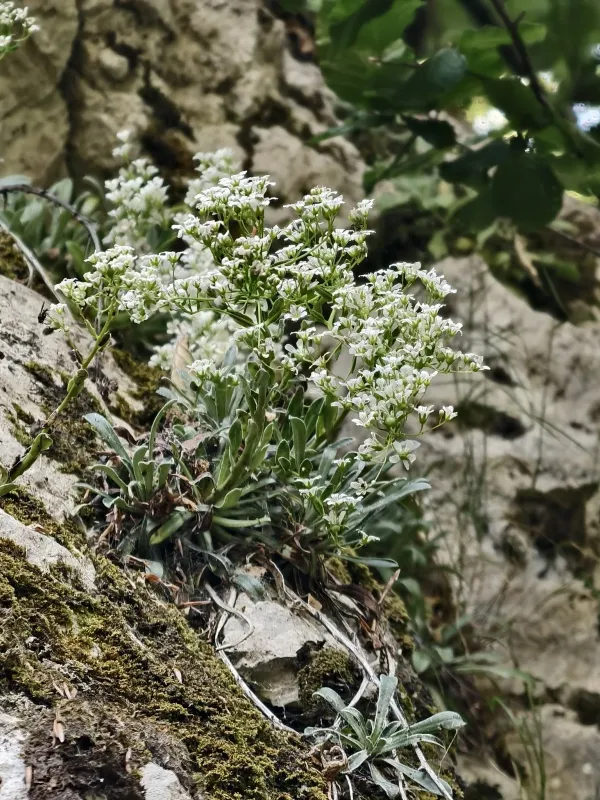
The saxifrage hybrid resulting from the cross of Saxifraga callosa and Saxifraga longifolia belongs to the Saxifragaceae family. It is a highly valued ornamental perennial characterized by its tight, silver-green rosettes that feature distinct calcareous pits along the leaf margins, which serve as its signature decorative trait.
Originating from the mountainous regions of Europe, this hybrid has evolved to thrive in crevice environments. These alpine conditions mandate a specific agricultural approach that prioritizes mineral-rich, extremely fast-draining substrates over nutrient-heavy, water-retentive soils commonly used for other crops.
The primary requirement for this culture is the avoidance of stagnant water. It performs best in rock garden pockets filled with limestone chips and gravel, which provide the necessary alkaline pH and prevent root rot. Excellent aeration and exposure to sunlight are essential for maintaining the compact, symmetrical growth of the rosettes.
Climate adaptability is one of the key strengths of this plant, as it is perfectly suited for cold-temperate zones. It tolerates significant temperature fluctuations but requires protection from excessive humidity and prolonged autumn rains, which can easily induce decay in the center of the rosette.
For maintenance, the grower should focus on minimal intervention. Occasional watering during peak summer heat is sufficient, and the removal of spent flower stalks encourages the plant to direct its energy into maintaining the health and expansion of the foliage mats for the following season.
Main diseases and pests
The most critical threat to this saxifrage is fungal infection, specifically crown rot, caused by inadequate drainage or poor air circulation. Over-watering is the leading cause of crop loss in professional and amateur collections.
Pest pressure is relatively low but includes aphids during the flowering stage and occasionally mealybugs. Proactive monitoring and maintaining a dry environment around the foliage are the best strategies to keep these plants in peak physiological condition.