
Saxifraga cortusifolia
Saxifraga cortusifolia Siebold & Zucc.
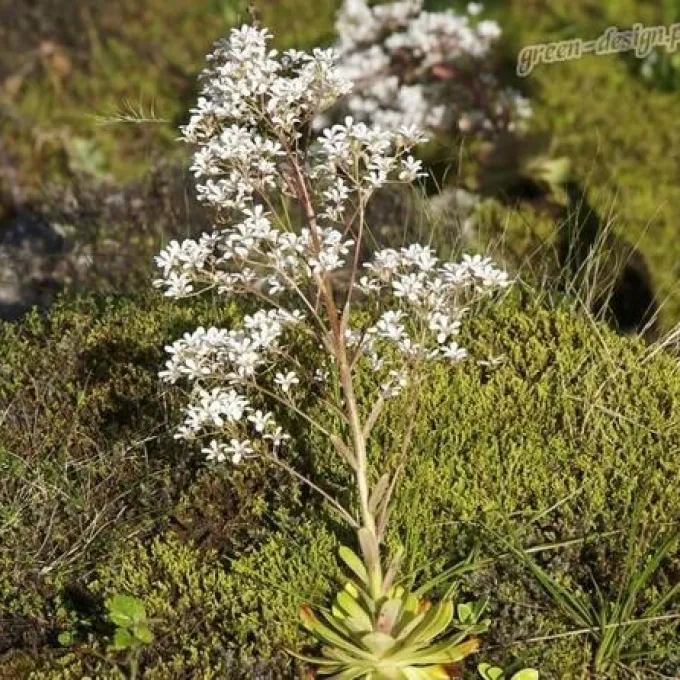
Description
Sowing dates
Propagation of Saxifraga cortusifolia is typically achieved through seed sowing or the vegetative division of mature root clumps during the active growing season.
Seeds are exceptionally small and require surface sowing on a moist, fine-textured substrate, ensuring they receive enough light for germination while remaining protected from desiccation.
Vegetative division is best performed immediately following the flowering stage, allowing the plant to re-establish its root system before the onset of the dormant period.
When transplanting into the garden, spacing should be carefully calculated to allow the characteristic rosettes of the plant to spread without competing for nutrients or airflow.
Young plants benefit from a controlled environment during their initial growth phase, often requiring higher humidity levels and protection from intense environmental stressors.
Growing requirements
Belonging to the Saxifragaceae family, this species is native to East Asia, where it thrives in naturally shaded, cool, and moist habitats on rocky outcrops and forest floors.
The plant demands a semi-shaded location, as exposure to full sun, especially in warmer climates, leads to rapid dehydration and chlorosis of the delicate foliage.
Soil requirements focus on high organic content, a slightly acidic to neutral pH, and superior drainage capabilities to prevent the accumulation of stagnant water near the base.
Consistent moisture is essential for vigorous development, yet cultivators must avoid waterlogging, which is a common cause of failure in poorly drained cultivation sites.
While adapted to temperate climates, the plant appreciates a layer of organic mulch during winter, which moderates soil temperature and prevents soil heaving in colder regions.
Main diseases and pests
The primary threats include fungal pathogens that induce root and crown rot, typically favored by poor drainage and excessive moisture levels during periods of low activity.
Pests such as slugs and snails are significant threats to the foliage, particularly during the early spring when succulent new growth emerges from the winter resting period.
Spider mites may occasionally infest the plant under conditions of low humidity or poor airflow, leading to stippling and eventual decline of the plant's aesthetic quality.
Management strategies involve regular monitoring for early signs of disease, maintaining proper plant spacing to encourage airflow, and the use of integrated pest management practices.
- Removal of necrotic or infected plant tissues.
- Application of fungicides during high-humidity periods.
- Use of barriers to deter slugs and snails.
- Maintenance of consistent but moderate soil moisture.
- Regular inspection for common insect infestations.