
Santiria apiculata
Santiria apiculata
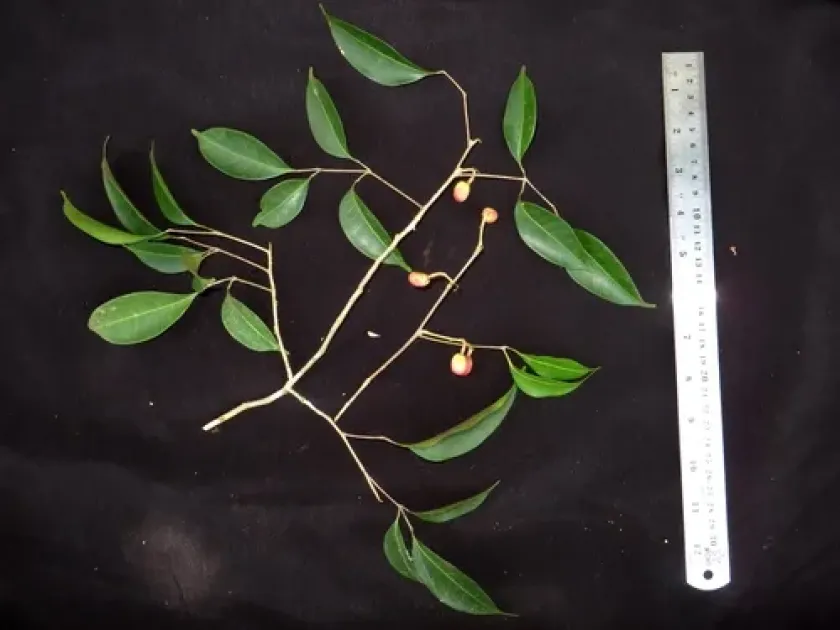
Description
Growing requirements
Santiria apiculata is a distinctive member of the Burseraceae family, widely distributed across the tropical regions of Southeast Asia. It is a large evergreen tree that thrives in both primary and secondary rainforest environments.
The species prefers deep, nutrient-rich, and well-drained soils. In its natural habitat, it demonstrates a strong resilience to the humid conditions typical of tropical lowlands and mountain foothills.
Climatic requirements are strict: the tree demands consistently high temperatures and rainfall throughout the year. It does not tolerate cold snaps, which makes it unsuitable for cultivation outside the tropical zone.
Botanically, the tree is recognized for its resinous sap and compound, alternate leaves. These biological adaptations allow the species to compete effectively in the dense understory of tropical forests.
Economically, Santiria apiculata is valued for its versatile timber, which is often utilized in local construction and furniture making. It serves as a vital component in reforestation projects in its native range.
Main diseases and pests
The primary threats to Santiria apiculata populations involve habitat loss due to deforestation. This species struggles to regenerate rapidly in degraded or fragmented forest areas.
In nursery conditions, root rot caused by stagnant water is a significant concern for young saplings. Proper soil drainage and aeration are essential to mitigate this risk during the early growth phase.
Boring insects represent a major threat to timber quality in plantation settings. Regular inspections and sanitation thinning are standard procedures to manage pest populations effectively.
Competition from fast-growing invasive weeds can significantly impede the development of young trees. Consistent clearing of the planting site is necessary to ensure optimal light and nutrient access.
Environmental stress, particularly prolonged drought, can leave the trees vulnerable to secondary pest infestations, reducing the overall biomass yield and long-term health of the stand.