

Description
Growing requirements
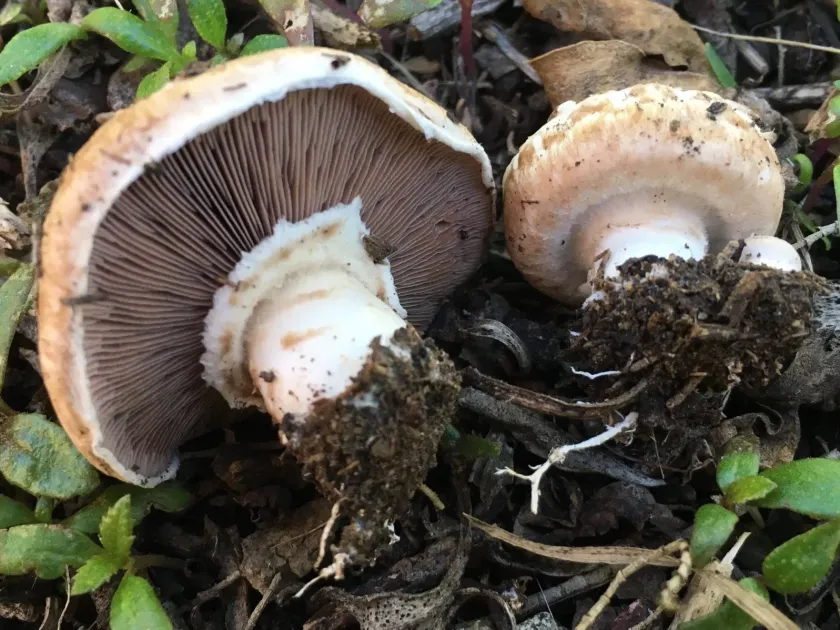
The button mushroom (Agaricus bisporus) is a member of the Agaricaceae family and is widely cultivated globally due to its nutritional and economic value.
Growing this species requires precise environmental control, including temperatures between 15°C and 18°C during the fruiting phase, and high humidity levels.
A high-quality compost, typically produced from straw and animal manure, is essential to provide the necessary carbon-to-nitrogen ratio for mycelium growth.
After the substrate is colonized by mycelium, a casing layer consisting of peat and lime is applied to encourage the formation of mushroom pins.
Modern commercial cultivation utilizes climate-controlled chambers where air exchange, CO2 levels, and moisture are automatically regulated for maximum efficiency.
Yield
Typical yields for button mushrooms range from 20 to 25 kilograms per square meter over the course of several harvest flushes.
The total production is usually harvested in three distinct waves, with the first two flushes producing the bulk of the yield.
Success in mushroom farming depends heavily on the strain selection, as different cultivars are optimized for specific temperatures and growth speeds.
Strategic management of the mycelium's growth rate ensures that the substrate is not depleted too early, allowing for longer and more productive fruiting periods.
Consistent yield metrics are achieved through meticulous tracking of growth parameters and adjusting the ventilation cycles during pin initiation.
Main diseases and pests
Fungus gnats (sciarids) are a major threat, as their larvae burrow into the mushrooms and cause structural damage and secondary infections.
Dry bubble disease, caused by Verticillium fungicola, leads to malformed fruit bodies and can quickly spread throughout a growing room.
Bacterial blotch is a common issue caused by Pseudomonas tolaasii, resulting in unattractive brown spots on the caps of the mushrooms.
Maintaining strict hygiene standards, such as sanitizing equipment and using filtered air, is crucial to prevent the introduction of viral or fungal pathogens.
Integrated pest management focusing on biological controls and strict substrate pasteurization is preferred over synthetic chemical treatments.
Harvesting
Harvesting is performed manually to ensure the integrity of the mushroom cap and to prevent damage to the surrounding mycelium bed.
Mushrooms are harvested when the veil under the cap is still intact, ensuring high quality and a longer shelf life after the product reaches the market.
Once the mushrooms are picked, it is important to remove any stumps or debris from the casing surface to maintain a clean environment for the next flush.
Immediate post-harvest cooling is required to lower the mushroom's temperature to 2–4°C, preventing rapid spoilage and browning of the gills.
Packaging often occurs immediately after harvest to minimize handling, which helps in maintaining the aesthetic quality required for premium sales.
Content graph
Connections · Button mushroom
Most often together:
Marketplace