

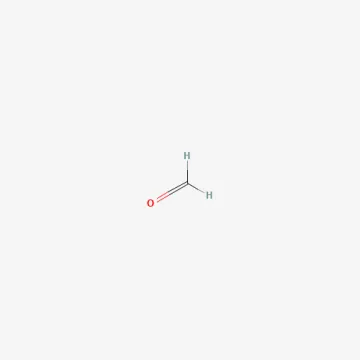
Description
Mode of action
Formaldehyde is a primary aldehyde that exhibits strong antiseptic, disinfectant, and fungicidal properties. Its action is based on the ability to denature the proteins of pathogen cell protoplasm.
By reacting with the amino groups of proteins, the substance causes their irreversible coagulation, which leads to the death of microorganisms. This process occurs regardless of the species of fungi or bacteria.
The substance has high penetrating power, which allows it to effectively act on pathogens located in deep layers of substrates or on the surface of seed material.
In agronomy, formaldehyde is mainly used in the form of aqueous solutions, known as formalin, which contains about 37-40% of the active ingredient.
Due to its high toxicity and volatility, the use of formaldehyde requires strict adherence to regulations to prevent the accumulation of residues in agricultural products.
What it targets
Formaldehyde-based preparations are used to eliminate a wide range of phytopathogens, including soil-borne infections and fungal disease pathogens.
It is effective against diseases such as root rots, fusarium, various types of smut, and powdery mildew that affect crops during storage or the vegetation period.
The primary application is the disinfection of containers, storage facilities, fruit and vegetable warehouses, as well as the sterilization of soil mixtures in greenhouses.
The substance is also used in pre-sowing seed treatment of grain and vegetable crops to eliminate surface infections that hinder normal germination.
Due to its versatility, formaldehyde successfully manages bacterial flora, making it an indispensable tool for the sanitary treatment of agricultural equipment.
Rates and timing
The use of formaldehyde is strictly regulated and depends on the type of object to be disinfected, as well as the biological characteristics of the crop.
For soil disinfection, low-concentration solutions are typically used, applied well in advance of sowing to allow the substance to evaporate from the substrate.
The treatment of storage facilities is carried out by wet disinfection or aerosol spraying, followed by mandatory sealing and a specific exposure period.
The interval between treatment and planting must be at least several weeks to prevent phytotoxic effects on young shoots and seeds.
Specific application rates vary depending on temperature and humidity levels, as the activity of formaldehyde is directly dependent on environmental conditions.
Restrictions
Formaldehyde is an extremely hazardous substance to human health and the environment, known for its carcinogenic and irritant effects on mucous membranes.
Work with the product is permitted only when wearing personal protective equipment, including respirators with appropriate filters, safety goggles, gloves, and specialized clothing.
Strict ventilation rules must be followed after treatment, as formaldehyde vapors are toxic and remain in the air for extended periods.
The use of formaldehyde on plants during the active vegetation period is strictly prohibited due to the high risk of causing severe chemical burns to plant tissues.
Storage of the product must be in airtight containers, kept in a cool place, and inaccessible to sunlight or unauthorized persons.
Regulatory
Status in the European Union
Not approved in the EU
- CAS number
- 50-00-0
- Category (EU)
- FU - Fungicide
Hazard classification (CLP)
Acute Tox. 3 - H301Acute Tox. 3 - H311Acute Tox. 3 - H331Carc. 1B - H350Muta. 2 - H341Skin Corr. 1B - H314Skin Sens. 1 - H317
EU status is for reference only and does not replace national registration in your country.
Content graph
Connections · Formaldehyde
Most often together:
Marketplace