
Horse mushroom
Agaricus arvensis Schaeff.
Description
Growing requirements
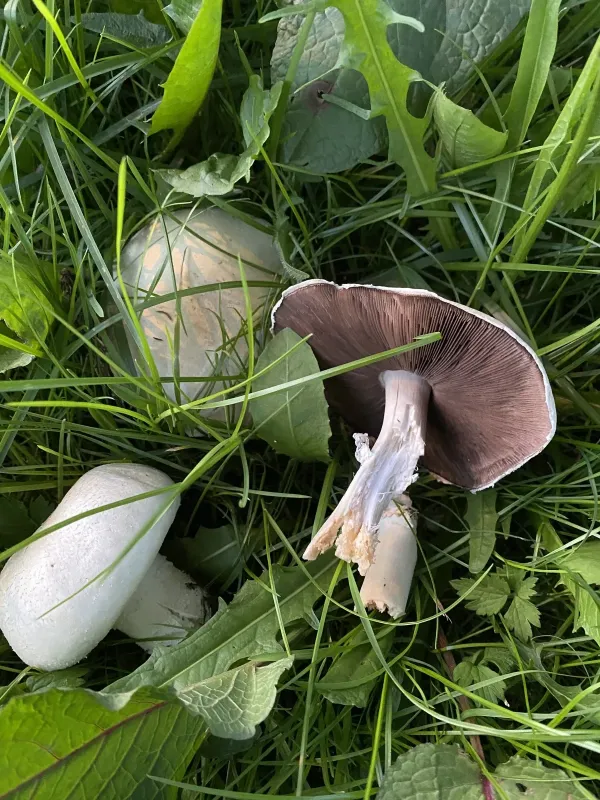
The horse mushroom (Agaricus arvensis) is a member of the Agaricaceae family, well-known for its size and characteristic almond-like aroma. It is a saprotrophic fungus that thrives in nutrient-rich organic soils.
Successful cultivation requires a precisely prepared substrate, typically composed of pasteurized straw and organic manure mixtures. Temperature regulation is crucial, maintaining a steady range between 15°C and 22°C for optimal mycelium growth.
The casing layer, usually made of peat and limestone, is essential to provide the necessary moisture retention and environmental cues for the transition from vegetative growth to fruiting bodies.
Adequate ventilation is required to manage CO2 levels; high concentrations of carbon dioxide can lead to deformed caps and thin stems, negatively impacting the overall yield.
Water management must be balanced to ensure the substrate remains moist but not waterlogged, as excessive water increases the risk of anaerobic conditions that inhibit mycelial development.
Main diseases and pests
Bacterial blotch is a common concern in poorly ventilated environments, causing brown spots on the caps and reducing the shelf life of the harvested mushrooms.
Fungus gnats (Sciaridae) are the most destructive pests in mushroom farming; their larvae consume the mycelium and tunnel through the stems of developing mushrooms.
Mites can cause significant damage by feeding on the mycelial network, leading to stunted growth or total crop failure if the infestation is not detected early.
Green mold (Trichoderma species) acts as a fierce competitor, quickly colonizing the substrate and outcompeting the cultivated mushroom mycelium for nutrients.
Integrated pest management (IPM) practices, including thorough facility cleaning and the use of filtered air systems, are essential for maintaining a healthy growing environment.
Harvesting
Harvesting should occur when the mushrooms are firm and the veil underneath the cap is still intact. Harvesting at this stage ensures the best texture and visual appeal.
Mushrooms are harvested by a twisting motion, ensuring that all debris is removed from the substrate surface to prevent the introduction of pathogens and rot.
Cycles of production, known as flushes, usually occur every two weeks, provided that the substrate is properly rehydrated and maintained after each harvest.
Post-harvest care involves quick cooling to prevent the darkening of gills and the maturation of the mushrooms, which would otherwise lead to a drop in market value.
Consistent monitoring of growth cycles allows producers to maximize their yield efficiency and maintain a continuous supply throughout the production season.