
Rugotida rose
Rosa x rugotida Belder & Wijnands
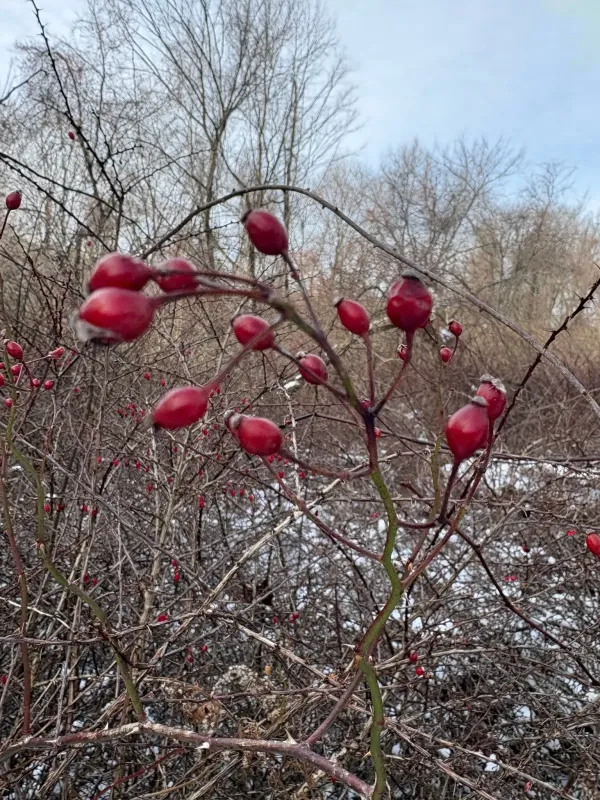
Description
Growing requirements
The Rugotida rose (Rosa x rugotida) is a sophisticated hybrid resulting from the crossing of Rosa rugosa and Rosa nitida. As a member of the Rosaceae family, it combines the hardy nature of its parents, resulting in a robust, disease-resistant shrub that thrives in temperate climates.
This species requires full sun to partial shade for optimal growth and flowering. The soil should be well-drained, fertile, and slightly acidic to neutral in pH. While it is adaptable to various soil textures, ensuring adequate organic matter content will significantly promote better foliage development and bloom vigor.
In terms of climate, the Rugotida rose is exceptionally hardy and capable of surviving harsh winters without specific protective measures. It performs well in cold regions, showing high resistance to wind and late frosts, which makes it an ideal candidate for northern gardening zones.
Agricultural management is relatively straightforward. Annual pruning is recommended during early spring to remove dead wood and encourage new growth. Mulching around the base is beneficial as it helps maintain consistent soil moisture levels and suppresses weed competition throughout the growing season.
The primary use of this culture is in landscape architecture, where it serves as a reliable hedging plant or a structural element in shrub borders. Its ability to tolerate challenging environments and poor soils makes it a preferred choice for mass plantings in parks and public recreational areas.
Main diseases and pests
Powdery mildew is a common fungal threat, typically appearing during humid weather conditions. To minimize risks, gardeners should ensure proper plant spacing to facilitate airflow and keep foliage dry by watering directly at the base of the plant during the early morning hours.
Aphids are frequent pests that congregate on tender new growth and developing buds. Manual removal or the application of horticultural oils is usually effective in controlling minor infestations without causing harm to beneficial insects inhabiting the garden ecosystem.
Black spot is a fungal disease that can lead to premature leaf drop if left unchecked. Implementing a sanitation routine, such as clearing away debris and fallen leaves at the end of the season, is essential for reducing the inoculum source for the following year.
Spider mites can become problematic during hot, dry summer months, often going unnoticed until damage becomes severe. Monitoring the underside of leaves for stippling or webbing is crucial for timely detection and treatment with appropriate miticides.
Leaf rollers and other lepidopteran larvae may feed on foliage, creating rolled leaves or irregular holes. Routine inspections and the use of integrated pest management strategies, including the encouragement of natural predators, are key to maintaining the health and aesthetics of the shrub.