
Rugosa rose
Rosa rugosa Thunb. x Rosa villosa L.
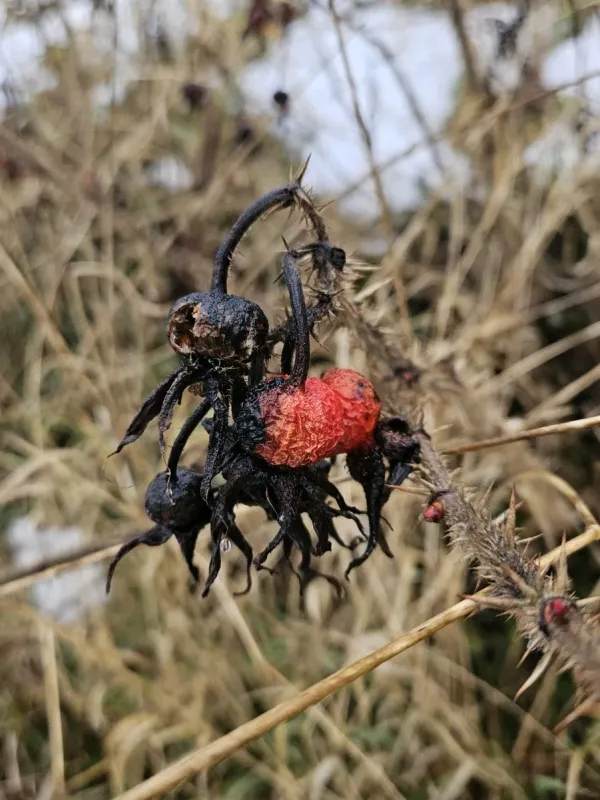
Description
Sowing dates
Propagation of the Rugosa rose is primarily performed through vegetative methods, such as root cuttings, divisions, or greenwood cuttings, to ensure the resulting plants maintain their specific quality traits.
The optimal time for planting established seedlings is during the dormant autumn season or early spring before the buds break dormancy, which allows roots to settle into the soil.
The soil must be well-tilled and completely free of perennial weeds before planting to avoid resource competition, which can significantly hinder the establishment of the shrub.
For commercial orchards, a spacing of 1.5 to 2 meters between plants is recommended to facilitate airflow and provide sufficient room for manual or mechanical maintenance.
Regular irrigation is essential during the initial planting year to establish a deep root system, which subsequently contributes to the plant's natural drought resistance.
Growing requirements
Rugosa rose is a member of the Rosaceae family, recognized for its exceptional resilience to harsh climatic conditions and tolerance to cold winters.
These shrubs thrive in full sun conditions, which is crucial for maximizing flower production and, consequently, the development of nutrient-dense rose hips.
They are adaptable to various soil types, ranging from sandy to loamy soils, provided they offer adequate drainage and are not prone to prolonged waterlogging.
Rugosa roses are frequently used in agricultural settings for their ability to tolerate coastal conditions, including salt spray, making them excellent windbreaks.
Standard care involves organic mulching to suppress weeds, maintain soil moisture, and provide a slow-release source of nutrients as the mulch decomposes.
Yield
The primary agricultural output of the Rugosa rose is its fruit, known as rose hips, which are highly valued in the pharmaceutical and food supplement industries.
These hips are renowned for their high concentrations of Vitamin C, antioxidants, and essential fatty acids, making them a premium ingredient in natural health products.
With proper management, a mature stand of Rugosa roses can provide a consistent annual yield, starting from the third year and peaking in the subsequent years.
Beyond the fruit, the petals are often harvested for use in perfumery, food flavoring, and cosmetic extracts, providing additional revenue streams for growers.
Pollination is key to high yields; therefore, maintaining healthy local bee populations is a critical management strategy for any professional plantation.
Main diseases and pests
The most frequent health issues in Rugosa rose crops include powdery mildew and rust, which often emerge during humid, stagnant air conditions within the canopy.
Aphids, leafhoppers, and spider mites are common pests that feed on young foliage and stems, potentially reducing the plant's overall vigor if left unchecked.
Integrated Pest Management (IPM) practices, such as encouraging beneficial insects and using selective organic treatments, are preferred to maintain high product quality.
Sanitation is paramount; removing and disposing of diseased branches or fallen leaves helps to break the life cycles of pathogens and overwintering pests.
- Thinning out old or crossing branches improves air circulation and sunlight penetration, effectively reducing the pressure from fungal diseases.
- Avoid over-fertilizing with high-nitrogen fertilizers, as this promotes succulent growth that is more susceptible to aphid infestations.
Harvesting
The harvesting of rose hips occurs when they reach full maturity, indicated by a firm texture and a vibrant red or orange-red coloration.
Timing is critical, as over-ripened hips lose their structural integrity and vitamin content, while under-ripe hips lack the desired phytochemical profile.
Since the plant is heavily armored with prickles, harvesters must wear heavy-duty gloves and long-sleeved protective gear to prevent skin injury.
Post-harvest handling requires immediate processing; the hips must be dried or frozen quickly to prevent fermentation, which can degrade the vitamin quality.
Drying is typically performed in temperature-controlled facilities to remove moisture while preserving the heat-sensitive antioxidants present in the fruit.