
Persian rose
Rosa persica Michx. ex J. F. Gmel.
Description
Growing requirements
The Persian rose (Rosa persica) belongs to the Rosaceae family. It is a unique species native to the arid environments of Central Asia, Iran, and Afghanistan, where it has evolved to thrive in harsh, desert-like conditions.
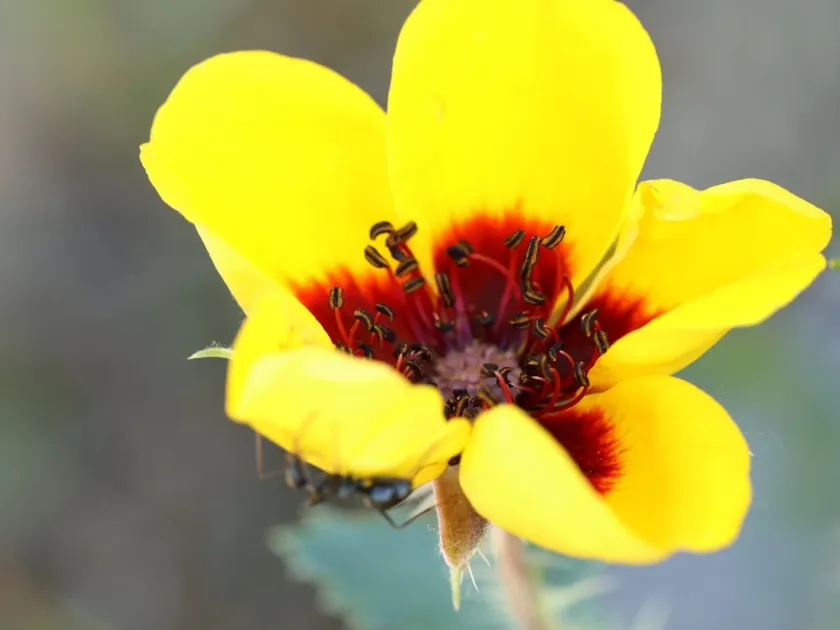
Botanically, it is distinguished by a dark, contrasting spot at the base of its petals, a trait highly valued in modern rose breeding. Unlike typical roses, it features simple leaves and a low-growing, spreading habit that makes it an excellent candidate for dry landscaping.
The cultural requirements are strict regarding soil composition. It demands exceptionally well-draining, sandy, or stony soil. Any waterlogging will quickly lead to root rot and eventual plant failure, making drainage the most critical factor in its cultivation.
Regarding climate, this species prefers long, hot summers and low humidity. It is highly drought-tolerant, utilizing deep root growth to survive in regions with minimal annual precipitation and high thermal variability between day and night.
Agrotechnical management involves minimal irrigation and fertilization. Because it originates from poor soils, excessive nutrient application can harm its natural resilience. Pruning should be focused on removing dead wood to maintain plant vigor and air circulation.
Main diseases and pests
Fungal diseases are the primary threats when this species is grown in non-native, humid climates. Black spot and powdery mildew are common issues that arise when the foliage remains wet for extended periods or if air circulation is insufficient.
Spider mites are significant pests, particularly during hot and dry spells. They thrive on the underside of leaves, causing discoloration and eventual defoliation if left untreated during the peak growing season.
Aphids can cause damage to the soft, developing tips of the shoots during the spring. Early monitoring and manual removal or the application of insecticidal soaps are typically sufficient to control these populations without harming the plant's health.
Root system issues are often linked to improper irrigation practices. Maintaining a dry root zone during the dormant period is essential, as the plant cannot tolerate a cold and wet substrate that often leads to rapid decay of the vascular tissues.
Preventative measures include choosing an open, sunny site with excellent airflow. Regular sanitation by removing infected branches helps to mitigate the spread of spores and keeps the plant canopy healthy and productive throughout the year.