
Small-flowered rose
Rosa micrantha Borrer ex Sm.
Description
Growing requirements
Rosa micrantha, commonly known as the small-flowered rose, is a hardy perennial shrub belonging to the Rosaceae family. Native to Europe and parts of Asia, this species is highly valued for its robust nature and ability to thrive in various landscape environments.
The species prefers full sun exposure and well-drained soils, ranging from sandy loams to heavier clay compositions. It is remarkably drought-tolerant once established, making it suitable for low-maintenance landscaping and hedge production.
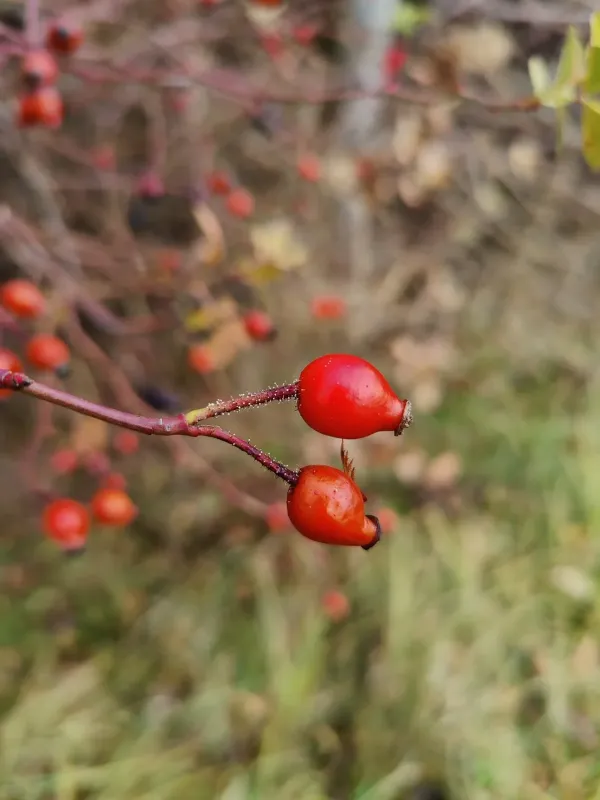
Botanically, it features hooked prickles and typically pink, solitary or few-flowered blooms. The plant displays significant morphological diversity depending on its habitat, often reaching several meters in height when provided with sufficient space and support.
Regarding agronomic practices, the plant requires periodic pruning to maintain its form and encourage vigorous growth. Regular soil testing helps in maintaining the appropriate pH levels, which should remain near neutral for optimal nutrient absorption.
Beyond its aesthetic appeal, the small-flowered rose is an essential ecological component, providing habitat and food sources for various insects and birds. Its hardiness makes it a reliable choice for environmental restoration projects and shelterbelt planting.
Main diseases and pests
Common issues include powdery mildew and rose rust, which are often exacerbated by poor air circulation. Proper plant spacing and avoiding overhead irrigation can significantly mitigate the risk of these fungal infections.
Insects like aphids and spider mites can infest the foliage, particularly during dry seasons. Regular monitoring and the application of horticultural oils or soaps are recommended to manage populations without harming beneficial pollinators.